
It is good to mention the assistance of the specialists, such as Blackwood Hodge Power Services Ltd, one of the premier providers of integrated power, material handling, and water solutions, before getting into the performance tips. Having a substantial share in Uganda, they deliver and support a broad set of engineered systems, such as mining pumps, supported by global industry standard brands and vast after-sales services.
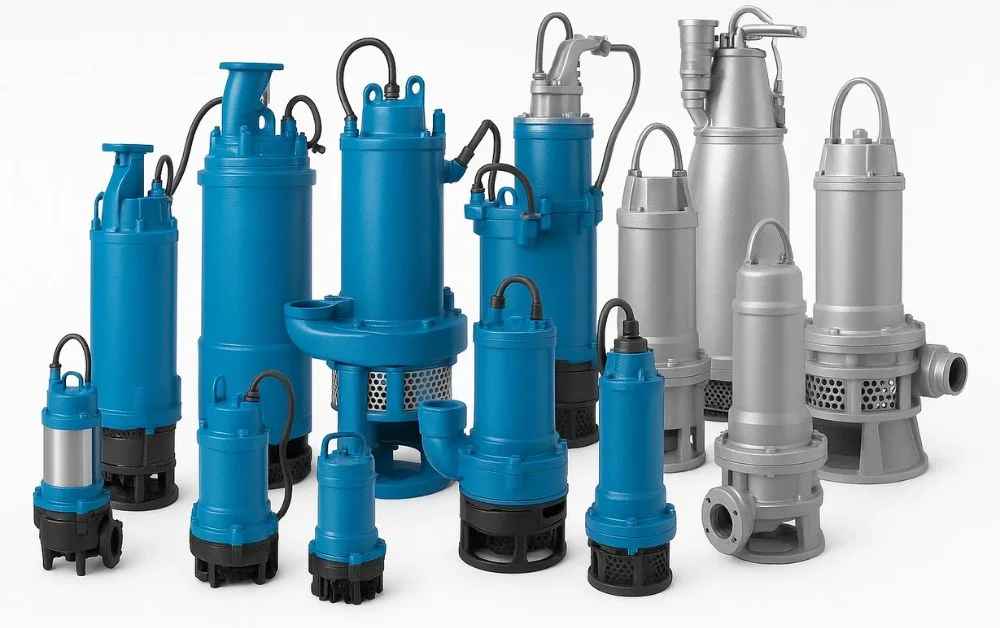
1. Choose the Right Pump for the Job
The choice of the type and size of pump that you use in your mining exercise forms the basis of performance. Mining also has characteristics of abrasive slurries, high content of solids, and fluctuating flow requirements. The pumps designed to withstand these conditions, such as the slurry pumps produced with abrasion-resistant materials like high-chrome alloys, will guarantee long service life and consistent operation.
Factors to consider during the selection of pumps include:
- Fluid property: Be familiar with the size of the particles pumped, their density, and corrosiveness.
- Flow and head required: Compare the curves of the design of the pump to your process requirements.
- Environmental conditions: Include factors such as temperature, depth of mining, and exposure to grit as well as dust.
Talking to the types of suppliers that are experienced can help you make sure that the pump is well matched with your needs.
2. Optimize Installation and System Design
Problems such as cavitation, vibration, and inefficient flow are common, which are usually brought about by improper installation or layout of the system. Sufficient Net Positive Suction Head (NPSH) that allows cavitation to be prevented and hence avoid damage is essential; therefore, proper suction piping design is required.
Best practices include:
- Keep sharp bends and the length of pipes to a minimum to decrease the loss due to friction.
- Apply the right-sized pipes to ensure that there is a smooth flow of fluid.
- Low-lift position pumps to reduce pressure drops across the suctioning side.
The design of the piping and foundation layout is a job that is worth taking time to get right, as it will be rewarded in the form of stable performance.
3. Implement Routine and Predictive Maintenance
One of the best methods of long-term performance maintenance is a proactive maintenance regime. Planned maintenance and regular inspections are helpful in preventing minor problems before they are caused to result in expensive failures.
The major maintenance practices are:
- Check the wear parts, such as impeller, casing, and seal. Prevent their failure by changing them.
- Check bearings, lubrication, and straightness of shafts to eliminate wear caused by friction.
- Carry out vibration check and temperature check to ensure that early signs of stress or failures are monitored.
Unplanned downtime and shortened pump life can be even further minimized by the incorporation of predictive maintenance procedures, e.g., sensor-based condition monitoring.
Related read:-How to Select Energy-Efficient Mining Pumps for Cost Savings?
4. Monitor Pump Performance Metrics
Monitoring major performance indicators assists you in monitoring a decline in performance before it gets too late and makes necessary adjustments in operations. Fitting of flow meters, pressure gauges, and vibration sensors will continually monitor the health and dynamics of the fluid in the system.
Useful metrics include:
- Flow rate/ design flow: The deviations may be evidence of wear or obstruction.
- Changes in pressure: Rapid decreases or increases may indicate cavitation or clogging.
- Power consumption: An increase in the power consumption at the same operating point could be indicative of inefficiencies.
The previous analysis performance will enable you to make decisions that are based on facts and take corrective actions in a timely manner.
5. Enhance Energy Efficiency
Mining processes have pumps running all the time, and thus any slight increase in energy efficiency has a huge impact on the cost savings. These are the energy optimization strategies to consider:
- Use Variable Frequency Drives (VFDs) to adjust the speed of pumps to the real needs of the facility and make the most of power when it is really needed.
- Choose high-efficiency motors and adequate control of the motors to reduce wastage of electricity.
- Good Hydraulics and piping design will help minimize system resistance.
The increased efficiency of pumping not only decreases the energy bill but also decreases thermal stress and mechanical wear.
Train Your Team and Use OEM Support
Even the most advanced equipment requires skilled laborers. Reliability can be significantly enhanced by training your maintenance and operations people on how to handle your pump properly, routine check-ups, and safety. Also, the provision of leverage by Original Equipment Manufacturers (OEM) allies to guarantee optimal maintenance standards and obtain authentic spares.
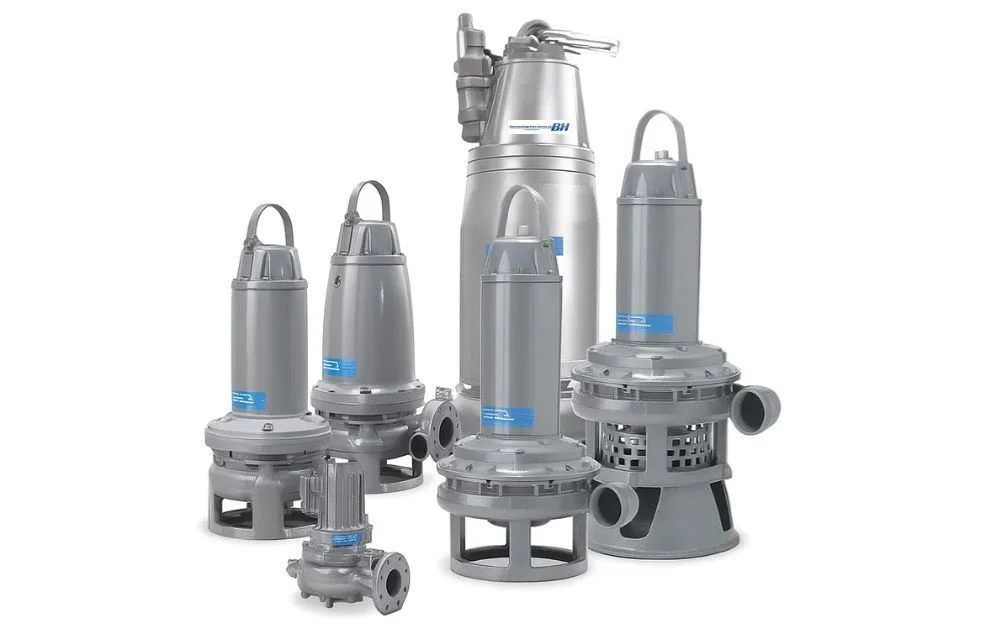
Blackwood Hodge Power Services Ltd and its suppliers are not only suppliers of a product, but they are also installers, commissioners of equipment, maintenance services, and parts of their products that are designed to meet the unique requirements of industrial and mining operations. Their experiences ensure that your pumps are maximized to perform and be used longer.
Conclusion
Optimizing the performance of your mining pumps is a complex task that involves the choice of an appropriate pump, optimization of installation, the regular maintenance of your pumps, keeping track of the performance indicators, and working on energy efficiency. These best practices contribute to the minimization of downtime, the reduction of operational costs, and increased productivity. An established Mining Pumps supplier in Uganda, such as Blackwood Hodge Power Services Ltd, which has been known to provide integrated power, material handling, and water solutions, would also help to make your mining pump systems stronger, efficient, and reliable over the next few years.
By remembering these strategies and not resting on the laurels when it comes to your pump performance, you will get real improvements in the bottom line of the mining processes and the operational durability of your mining processes.