
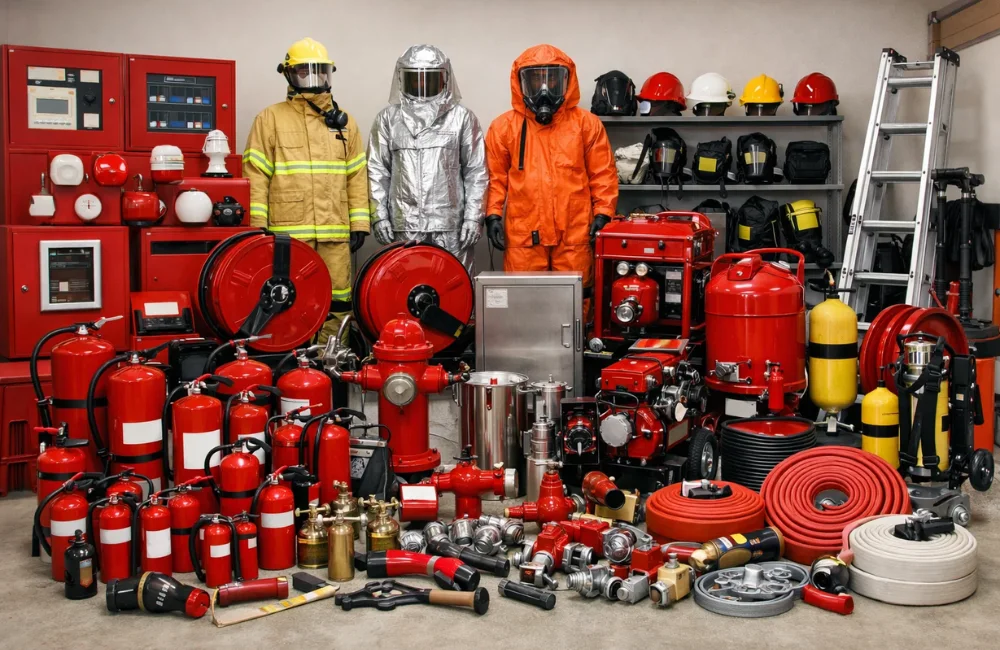
Layer 1: Fire Detection and Early Warning
The foundation of any effective fire safety system is early, reliable fire detection that provides the maximum possible warning time for occupant evacuation and fire service response. Modern addressable fire alarm systems use a network of detectors — ionisation detectors for fast-flaming fires, photoelectric detectors for slow-smouldering fires, and heat detectors for environments where smoke detectors would generate false alarms — each communicating its unique address to the fire alarm control panel. When any detector activates, the control panel immediately identifies the precise detector location and zone, allowing building managers and responding firefighters to identify and approach the fire source efficiently rather than searching a large building. The addressable system’s ability to distinguish a real fire event from a single dirty or faulty detector also reduces the false alarm rates that waste emergency service resources and erode occupant trust in the alarm system over time.
Layer 2: Automatic Sprinkler Suppression
Automatic sprinkler systems are the most proven and most effective active fire suppression technology available for Uganda commercial and industrial premises. Each heat-activated sprinkler head operates independently, discharging water only when the ambient temperature in its immediate area exceeds the rated activation threshold — typically 68 degrees Celsius for standard response heads. This localised activation ensures that water discharge is concentrated on the developing fire zone rather than flooding uninvolved areas of the building. Industry data consistently shows that correctly designed and maintained sprinkler systems control or suppress fires at the point of first activation in over 95 percent of incidents, dramatically limiting property damage and providing the additional evacuation time that can be the difference between safe evacuation and tragedy. For Uganda commercial and industrial facilities where insurance requirements or building regulations mandate sprinkler protection, the life safety and property protection benefits justify the capital investment decisively.
Explore more-How to Choose the Best Fire Fighting System for Commercial and Industrial Buildings
Layer 3: Portable Fire Fighting Equipment
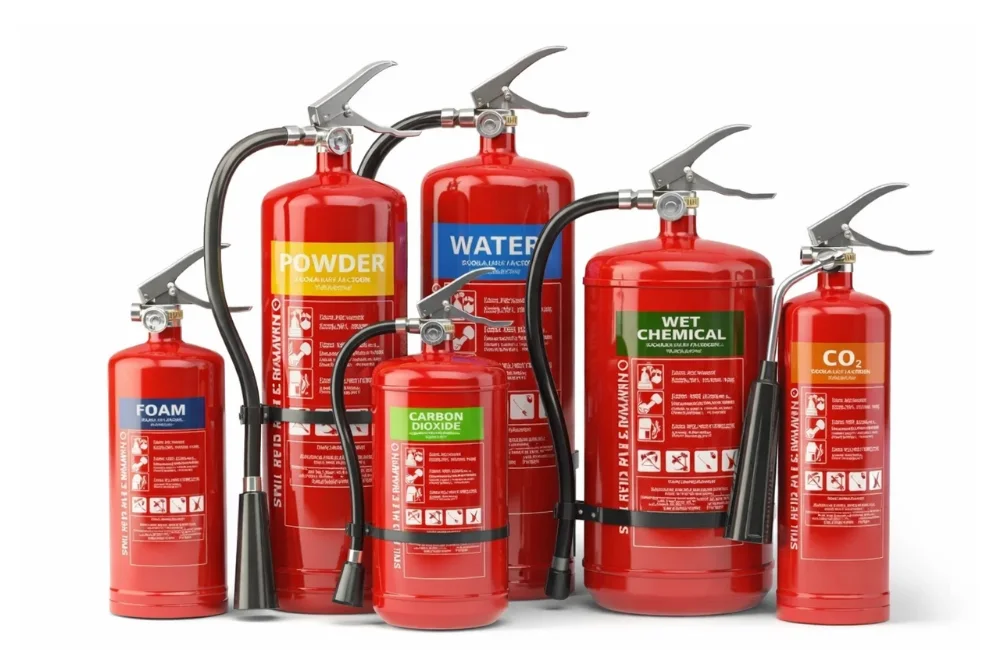
Portable fire extinguishers form the immediate first-response layer of any commercial fire safety system, enabling trained occupants to address incipient fires before they escalate beyond the point of manageable manual intervention. The critical specification requirement for portable extinguishers is matching the extinguisher agent type to the specific fire risks present in each protected area. CO2 extinguishers are appropriate for electrical equipment and server rooms where water or powder would cause irreparable equipment damage. Water mist extinguishers are appropriate for general Class A combustible materials. Foam extinguishers address flammable liquid hazards in kitchens, fuel storage areas, and workshops. ABC dry powder extinguishers provide multi-risk coverage for mixed-risk environments. Working with professional fire fighting equipment suppliers in Uganda who conduct a proper site risk assessment and recommend the correct extinguisher types, sizes, and distribution for each specific facility protects against the common mistake of purchasing inappropriate extinguishers that would be ineffective or counterproductive against the actual fires they would encounter.
Layer 4: Emergency Lighting and Evacuation Systems
Emergency lighting and clearly marked evacuation routes are the life safety infrastructure that enables safe building evacuation when normal lighting fails during a fire event. Emergency luminaires with self-contained battery backup illuminate escape routes automatically on power failure, providing the minimum illumination levels required for safe movement along corridors, stairwells, and to final exit points. Exit signs maintained in all occupied areas with consistent directional indicators create an intuitive evacuation pathway that building occupants can follow even under the stress and reduced visibility conditions that real fire emergencies create.
Integrating Commercial Fire Safety Solutions
The most effective commercial fire safety solutions for Uganda premises integrate detection, suppression, portable equipment, emergency lighting, and staff training into a coordinated system with documented maintenance schedules and regular testing regimes. Uganda’s National Fire and Rescue Services, applicable building codes, and insurance authority requirements all provide minimum standards guidance that forms the compliance baseline. Exceeding these minimum standards — by installing more comprehensive protection than regulations strictly require — typically delivers significant insurance premium reductions and, more importantly, genuinely better protection for occupants and property. Engaging fire safety specialists with documented experience in Uganda commercial and industrial fire safety to design, supply, install, and maintain the complete system delivers better outcomes than assembling individual components from multiple uncoordinated suppliers.