
Why Fire Safety Standards Matter
Fire safety regulations are designed to:
- Save Lives – Ensuring timely detection, alarm activation, and suppression to protect occupants.
- Minimize Property Damage – Rapid fire control reduces repair and replacement costs.
- Maintain Compliance – Non-compliance can lead to penalties, closure of premises, or loss of insurance coverage.
- Boost Public Confidence – Buildings with certified fire safety systems assure occupants and visitors of their safety.
Components of a Fire Fighting System in Uganda
A well-designed fire fighting system in Uganda often includes multiple integrated components, each serving a specific purpose:
1. Fire Detection and Alarm Systems
Smoke detectors, heat sensors, and manual call points trigger alarms to alert building occupants and fire services immediately.
2. Fire Suppression Systems
Automatic sprinklers, water mist systems, and gas-based suppression systems are used depending on the environment.
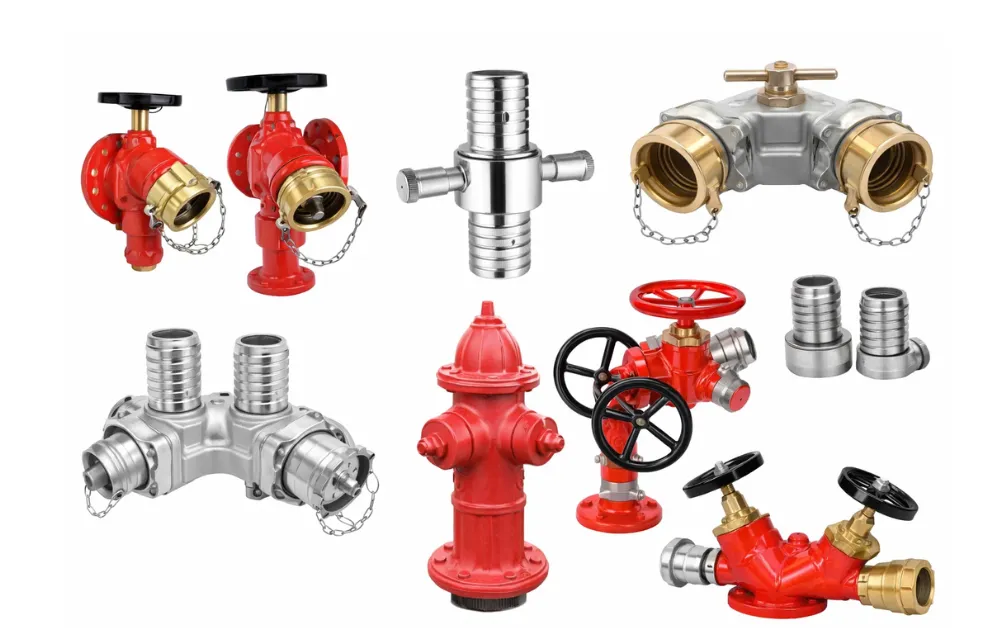
3. Fire Hydrants and Hose Reels
Essential for manual firefighting efforts, especially in commercial and industrial facilities.
4. Emergency Lighting and Signage
Guides occupants to safety during smoke or power outages.
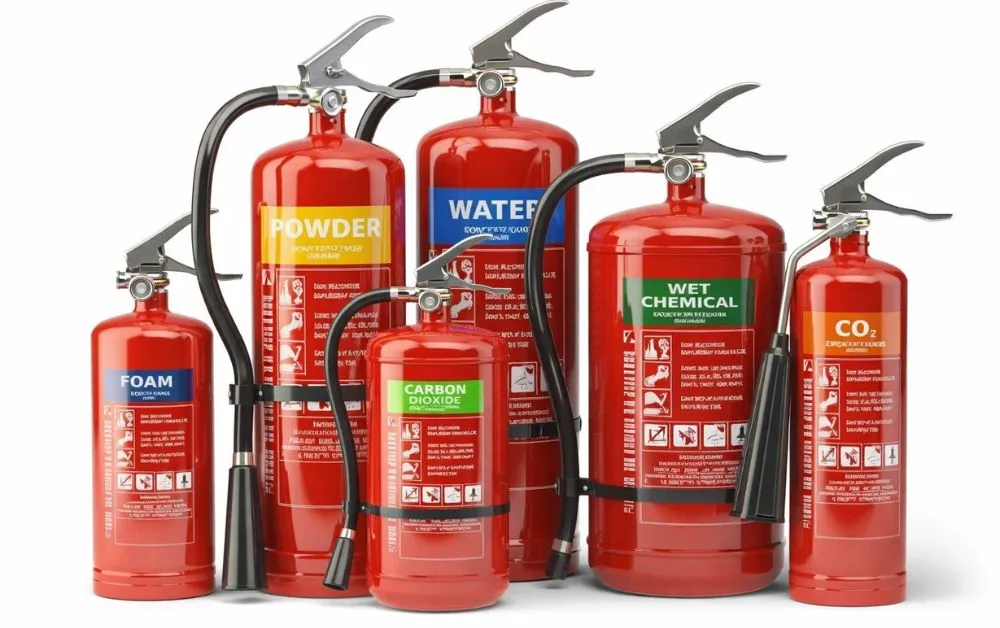
5. Portable Fire Extinguishers
Strategically placed for quick response to small fires before they escalate.
How Fire Fighting Systems Comply with Ugandan Safety Regulations
Uganda’s fire safety guidelines are influenced by both national building codes and international standards such as NFPA (National Fire Protection Association) and BS (British Standards). To comply, a fire fighting system in Uganda must:
- Be Professionally Designed – Systems are planned based on the building type, occupancy, and fire risk assessment.
- Use Certified Equipment – All components must meet recognized safety certifications.
- Undergo Proper Installation – Carried out by trained technicians to ensure reliability in emergencies.
- Be Regularly Inspected and Tested – Fire systems require routine checks, maintenance, and functional testing.
- Maintain Updated Records – Logbooks documenting inspections, repairs, and upgrades for compliance audits.
See also-How to Choose the Best Fire Fighting System for Commercial and Industrial Buildings
The Role of Professional Installation and Maintenance
Even the best fire safety equipment can fail if not installed or maintained properly. This is why regulations emphasize:
- Qualified Installers – Only licensed professionals should design and install fire systems.
- Scheduled Maintenance – Regular servicing to replace worn-out parts, recharge extinguishers, and test alarms.
- Emergency Preparedness Drills – Staff training on how to respond when the system is activated.
Common Challenges in Fire Safety Compliance
While regulations are in place, some organizations face challenges such as:
- Budget Constraints – Cutting corners on fire safety can lead to higher costs in the long run.
- Neglecting Maintenance – An unused system might still fail without routine checks.
- Outdated Equipment – Old systems may not meet current safety standards.
These challenges underline the importance of working with reliable suppliers and service providers.
Benefits of a Compliant Fire Fighting System in Uganda
A fully compliant fire fighting system in Uganda offers multiple benefits:
- Legal Protection – Avoids fines and potential business shutdowns.
- Insurance Approval – Many insurers require proof of an up-to-date fire safety system before offering coverage.
- Peace of Mind – Occupants feel safer knowing the system meets strict regulations.
- Reduced Risk of Loss – Fast fire detection and suppression minimize both human and financial damage.
Looking Ahead – Fire Safety in Uganda’s Growing Infrastructure
As Uganda continues to develop its industrial parks, commercial hubs, and residential complexes, fire safety regulations will become even more significant. Modern fire systems are now integrated with smart technology, enabling remote monitoring, automated alerts, and faster emergency response times.
Conclusion
Meeting fire safety regulations is not just about compliance—it’s about safeguarding lives, property, and livelihoods. A well-designed, professionally installed, and properly maintained fire fighting system in Uganda ensures businesses, institutions, and households are prepared for emergencies. For organizations seeking high-quality, regulation-compliant fire safety solutions backed by technical expertise, Blackwood Hodge Power Services Ltd stands out as a trusted partner dedicated to protecting Uganda’s people and infrastructure.