As the demand for cleaner water, lower costs, and consistent performance grows, automation is emerging as a game changer — taking SBR systems to the next level of efficiency and reliability.
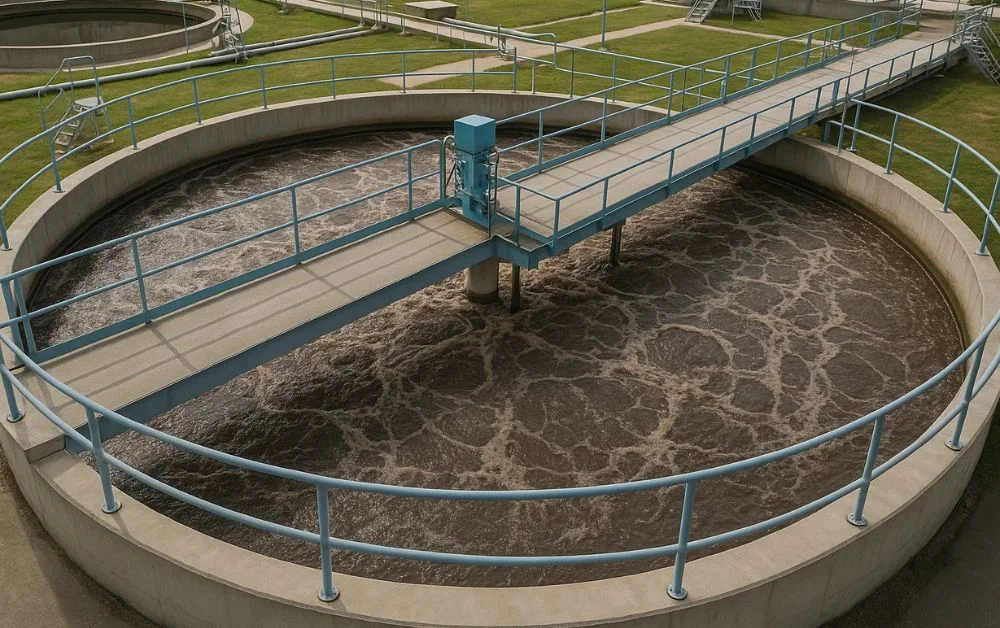
Understanding SBR Wastewater Treatment Systems
An SBR system is a type of activated sludge process that treats wastewater in a series of carefully timed batches. Unlike conventional continuous-flow systems, it operates through a set of defined stages: filling, aeration, settling, decanting, and idle.
Each stage is designed to maximise the biological breakdown of pollutants and produce clear, high-quality effluent suitable for reuse or safe discharge.
In traditional setups, much of this process depended on manual operation. Operators had to monitor tank levels, control aeration time, manage sludge, and manually adjust chemical dosing. While effective, this approach often led to inconsistencies, inefficiencies, and higher costs — especially in large treatment plants.
Automation has completely changed that picture.
How Automation Is Transforming SBR Operations
Automation brings precision, consistency, and efficiency to every stage of wastewater treatment. Here’s how:
Real-Time Monitoring and Data Collection
Automated SBR systems use sensors to continuously monitor key parameters, including dissolved oxygen, pH, nutrient levels, and sludge volume.
This real-time monitoring enables operators to:
- Identify issues early, such as poor aeration or sludge buildup.
- Track performance trends & make data-driven decisions.
- Generate automated reports to meet environmental compliance requirements.
With continuous sensor feedback, operators no longer have to rely on guesswork — they can respond to changes immediately, keeping the system running smoothly at all times.
Smarter Aeration Control and Energy Savings
Aeration is the most energy-intensive part of wastewater treatment. Automation optimises it by adjusting aerator activity based on live oxygen and organic load readings.
That means:
- Aerators run only when needed, reducing electricity costs.
- The biological process becomes more efficient, improving pollutant removal.
- Less excess sludge is produced, reducing disposal expenses.
The result is a system that delivers top performance while saving significant energy — a win for both the environment and operating budgets.
Automated Cycle Management
The SBR process depends on precise timing. Automation ensures that each phase — from filling to decanting — runs exactly when and how it should.
- Cycle times adjust automatically based on flow rate and pollutant load.
- Human error is virtually eliminated.
- The treated water quality remains consistently high, ready for safe reuse in irrigation, industrial applications, or discharge.
By maintaining perfect timing and control, automation makes SBR systems more predictable, stable, and efficient.
Related read:-How SBR Systems Work: A Step-by-Step Guide
Precision in Chemical Dosing and Sludge Handling
Specific wastewater streams require chemicals to balance pH or remove nutrients. Automated dosing systems measure real-time conditions and dispense exact quantities when needed — no more, no less.
Benefits include:
- Reduced chemical waste and cost savings.
- Consistent treatment performance and effluent quality.
- Automated sludge removal to prevent buildup and maintain system balance.
Automation ensures that each step — from dosing to sludge management — is handled accurately, helping operators maintain ideal treatment conditions around the clock.
Remote Operation and Predictive Maintenance
Modern automated SBR systems are integrated with SCADA (Supervisory Control and Data Acquisition) platforms. These allow operators to monitor and control operations remotely from a computer or smartphone.
- Alerts notify teams of potential faults before they escalate.
- Predictive algorithms analyse sensor data to forecast when maintenance will be required.
- Downtime and costly emergency repairs are significantly reduced.
This level of visibility and control means even smaller or remote facilities can maintain the same reliability as large urban treatment plants.
Key Benefits of Automation in SBR Wastewater Treatment
Integrating automation into SBR systems brings a range of tangible benefits:
- Consistent, high-quality effluent that meets discharge standards.
- Lower operational costs through efficient energy and chemical use.
- Greater system reliability with minimal human error.
- Simplified regulatory compliance thanks to accurate monitoring and reporting.
- Scalability allows plants to adjust quickly to changes in wastewater volume or composition.
In Conclusion
Automation is redefining how modern wastewater treatment systems operate. In SBR plants, it enables real-time monitoring, intelligent process control, and predictive maintenance — leading to higher efficiency, reduced costs, & consistently clean output.
For organisations in Uganda and beyond seeking dependable and modern wastewater management solutions, Blackwood Hodge Power Services Ltd provides the expertise to design, automate, and maintain advanced SBR wastewater treatment systems. Their tailored approach ensures sustainable, cost-effective performance that keeps operations compliant, efficient, and environmentally responsible.