From renewable integration to AI-driven monitoring, new technologies are redefining how energy is generated, distributed, & managed. Here are the key trends in power solutions in Uganda shaping the future of energy management.
Growing Adoption of Renewable Energy
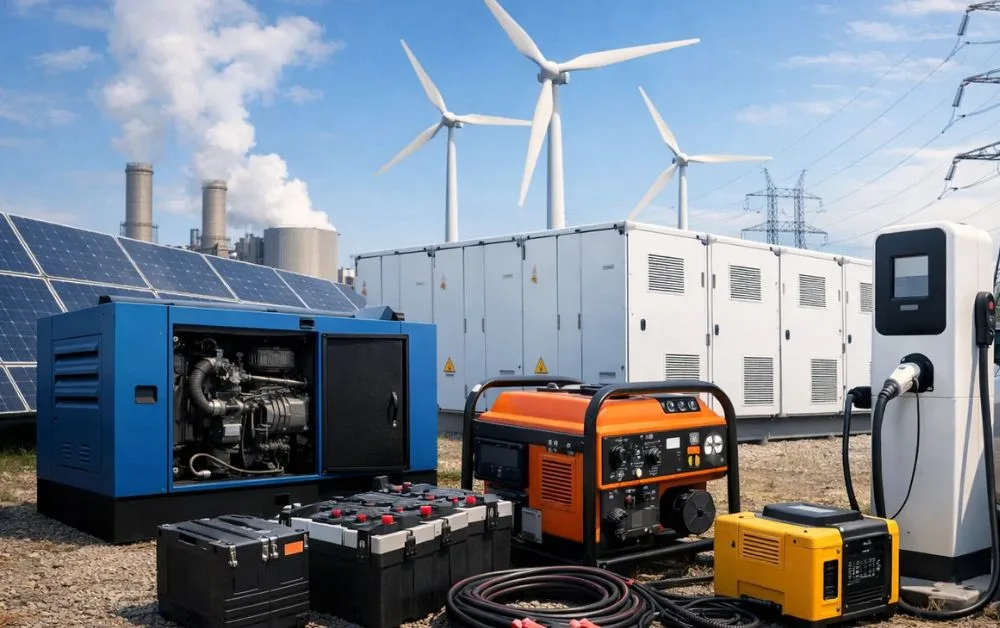
Uganda’s renewable energy sector has seen remarkable growth in recent years. Rising fuel costs, frequent power outages, & greater sustainability focus have prompted organizations to embrace renewable technologies.
- Solar Power Integration: Solar systems, often combined with battery storage, now supply consistent power for homes, farms, and commercial facilities. Hybrid setups — blending solar with diesel generators — are proving particularly effective for industrial users.
- Wind and Small Hydro Projects: In suitable regions, small-scale wind turbines and mini-hydro installations are offering dependable power alternatives for off-grid and rural communities.
- Lowering Carbon Emissions: By integrating renewables, businesses reduce greenhouse gas emissions and meet both government and corporate sustainability goals.
For most companies, hybrid renewable systems have become the go-to solution — balancing reliability with long-term cost and environmental benefits.
The Rise of Energy Storage Systems
Energy storage is revolutionizing power management by helping balance supply and demand. With improved battery technologies, organizations can store surplus energy & release it during peak demand or outages.
- Peak Shaving: Using stored energy during high-demand hours helps reduce electricity bills and grid stress.
- Instant Backup: Advanced batteries offer seamless backup during blackouts — vital for hospitals, factories, and data centers.
- Smart Integration: Modern storage systems integrate easily with solar or wind power, creating efficient, self-sustaining networks.
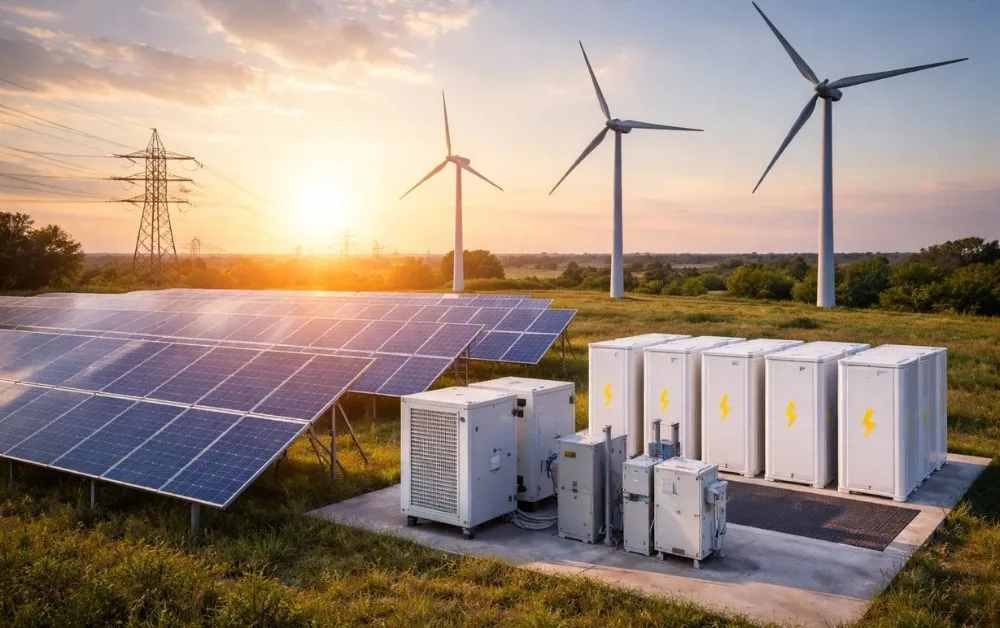
The combination of renewable energy & storage is increasingly at the heart of Uganda’s most innovative power projects.
Smart Grids and IoT Integration
As Uganda’s power network expands, innovative grid technology and the Internet of Things (IoT) are playing a key role in improving reliability & performance.
- Real-Time Monitoring: IoT-enabled sensors track energy flow, equipment status, & consumption trends.
- Predictive Maintenance: Early detection of system faults helps prevent costly downtime.
- Dynamic Load Balancing: Smart systems automatically distribute power based on demand, reducing waste & improving efficiency.
Smart grids are giving both utilities and large energy users greater visibility, allowing them to make data-driven decisions and optimize their operations.
Modular and Scalable Power Systems
With rapid urbanization and industrial growth, Uganda’s power users increasingly need systems that can expand as demand increases. Modular solutions ideally meet that need.
- Containerized Generators: Easily deployable and expandable generator units simplify setup and scaling.
- Modular UPS Systems: These ensure uninterrupted power to critical facilities such as hospitals, data centers, & manufacturing plants.
- Simplified Maintenance: Modular components are easy to service or replace, minimizing downtime.
This flexibility helps businesses avoid over-investing in oversized systems while still keeping up with future growth.
Related read:-How Solar Power Solutions Are Revolutionizing Uganda’s Energy Landscape
Focus on Energy Efficiency and Green Technologies
Efficiency has become a top priority. New power systems are planned not just for performance, but also to minimize waste & environmental impact.
- Fuel-Efficient Generators and Motors: These consume less fuel & release fewer emissions while maintaining strong output.
- Energy Management Systems (EMS): EMS software continuously tracks power use, identifies inefficiencies, and suggests improvements.
- Smart Building Solutions: LED lighting, energy-efficient HVAC systems, and motion-controlled devices are now standard in commercial spaces.
Prioritizing energy efficiency not only decreases operational costs but also strengthens a company’s sustainability reputation.
Predictive Analytics and AI-Driven Power Management
Artificial intelligence (AI) is taking energy management to the next level. By analyzing real-time and historical data, AI systems can predict demand, optimize resource use, and prevent costly inefficiencies.
- Demand Forecasting: AI algorithms accurately predict when and where energy will be needed most.
- More intelligent Resource Allocation: Systems automatically balance power generation, storage, and distribution.
- Lower Operating Costs: Predictive insights reduce maintenance expenses and improve long-term planning.
In Uganda, AI-powered monitoring is beginning to play a key role in managing hybrid and distributed energy systems — offering smarter, more sustainable control over power operations.
In Conclusion
The future of power solutions in Uganda lies in innovative, flexible, and sustainable systems. From renewable energy & battery storage to AI-driven analytics & modular infrastructure, these trends are transforming how businesses and institutions manage energy.
For organizations seeking reliable, future-ready solutions, Blackwood Hodge Power Services Ltd gives expert guidance & top-quality power systems tailored to Uganda’s energy landscape — helping clients achieve efficiency, resilience, and long-term cost savings.