
Despite such benefits, LPG forklift trucks are not exempt from operational issues. When not addressed well, these issues are likely to cause performance decrease, cost escalation, and unsafe work. The following is the discussion of the most prevalent problems of LPG powered forklift trucks and how they can be resolved.
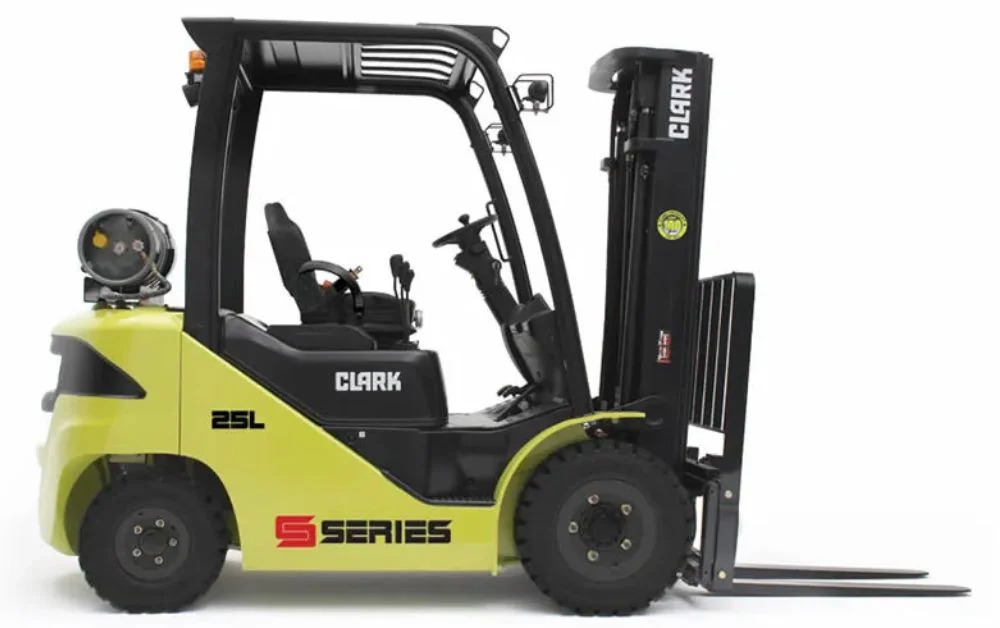
1. Starting Difficulties
One of the most commonly reported problems is the difficulty in starting an LPG forklift. This is usually caused by delivery of fuel, e.g., a low LPG pressure, a blocked injector, or a faulty fuel regulator.
How to Fix It:
- Check LPG Tanks and Lines: Make sure to check the LPG tanks and make sure the valves are open. Check fuel pipes and check for any blockages and kinks.
- Clean Injectors: Clean the injectors and regulators of all dirt and residues to allow the smooth flow of fuel.
- Periodical Checkups: Introduce periodic servicing of the fuel system to identify problems before they occur.
2. Poor Engine Performance
When your forklift is slow, weak, or has distressing idling, then it might be because of improper fuel mixture, ignition issues, or deteriorated engine components.
How to Fix It:
- Adjust Fuel Mixture: Tidy the air and LPG ratio so that there is optimum combustion in the engine.
- Replace Spark Plugs and Filters: A regular change of air filters and spark plugs is enough to reestablish a smooth-running engine.
- Check Ignition System: The wrong ignition coils or timing may also decrease the performance – a professional checkup is required in case performance does not increase.
3. Excessive Engine Heat
Excessive heat may cause extensive engine damage and an early-worn-out state of parts. The reasons are usually due to insufficient cooling, oil shortage, or overloading the forklift with more than its recommended weight.
How to Fix It:
- Check Oil Levels: Oil should be maintained to recommended levels, and it should be changed frequently to maintain adequate lubrication.
- Check Cooling Systems: Check fans and radiators to make sure that they are not dirty and that they operate well.
- Proper Load Handling: Do not continuously operate the forklift at the maximum load of the equipment since it puts pressure on the engine.
4. Transmission and Gear Problems
Odd sounds, stilted motion, and problems with shifting gears usually indicate transmission problems. These may be due to damaged gears, a lack of transmission fluid, or maintenance.
How to Fix It:
- Fluid Check: Make sure that the fluid level is correct and of the right grade.
- Professional checkup: When there are any suspicions of worn gears or transmission parts, it is better to have the technicians conduct a thorough examination.
- Consistent Servicing: Frequent transmission maintenance is known to identify issues and work on them.
5. Brake System Issues
The safety of LPG forklift trucks greatly depends on a sound braking system. Worn pads, low level of brake fluid, or improperly adjusted constituents may cause the brakes to fade or act spongy or drag.
How to Fix It:
- Change Brake Pads: You should change them whenever they wear out in order to retain the stopping power.
- Bleed and Refill Brake Fluid: Old or low brake fluid may affect the performance of the brakes; bleeding in fluid releases the air and makes the brakes responsive again.
- Alignment Adjustments: Have all the pieces of the brakes set adequately so that there is no dragging or uneven wear.
Related read:-Why More Companies Are Switching to LPG-Powered Forklift Trucks?
6. Steering Problems
This may be caused by a problem in the steering assembly, like incorrectly tied rods, bearing wear, or low steering fluid, as it may be difficult to turn or make strange noises during turns.
How to Fix It:
- Adjusting Steering: Open steering gears and adapt to prevent wear and handling.
- Check Bearings: Check worn bearings or joints that make noise and replace them.
- Fluid Top-Up: Make sure that the fluid in the power steering does not go below the mark to prevent difficult steering.
7. LPG Leakages
Given that LPG is a pressurized gas, the leak is a significant safety risk. Tanks, valves, or connecting hoses may leak.
How to Fix It:
- Frequent Leak Testing: Check and test for leaks with the use of soapy water or leak-detecting tools at regular intervals.
- Change Failed Seals: Hose, seals, and fittings that have been worn out or damaged must be changed as soon as possible.
- Trained Technicians: Technicians should be hired whenever there is inspection and maintenance of the LPG system.
8. Electrical and Sensor Faults
The forklifts that are used today are usually equipped with sensors and electrical devices that check on engine and working conditions. Poor wiring or broken sensors could cause a warning and interfere with the functioning.
How to Fix It:
- Diagnostic Tools: One can use onboard diagnostic codes to identify electrical faults.
- Safe wiring: Some of the wiring must be clean and firmly attached.
- Install New Sensors: Install new sensors that are faulty or damaged.
Conclusion
To maintain the seamless functioning of your LPG powered forklift trucks, it is essential to be keen on the way they are maintained as well as to solve the problems promptly. Engine performance and braking systems, fuel delivery, and electrical components; it is always better to ensure that issues are fixed at the initial stages to reduce downtime and increase the life of the equipment. In case you require reliable suppliers of LPG powered forklift trucks in Uganda and you want to have access to quality equipment and professional service according to your business requirements, an established firm such as Blackwood Hodge Power Services Ltd, which is one of the leading suppliers of integrated power, material handling, and water service, will provide you with the opportunity to do it.
Tips for Optimal Performance:
- Have a routine service program.
- Train operators’ best practice.
- Install original components and service.
- Record all the checks and maintenance.
With proactive preventive maintenance, you will have your LPG forklift trucks working effectively and safely in the future by collaborating with reliable suppliers and service providers.