
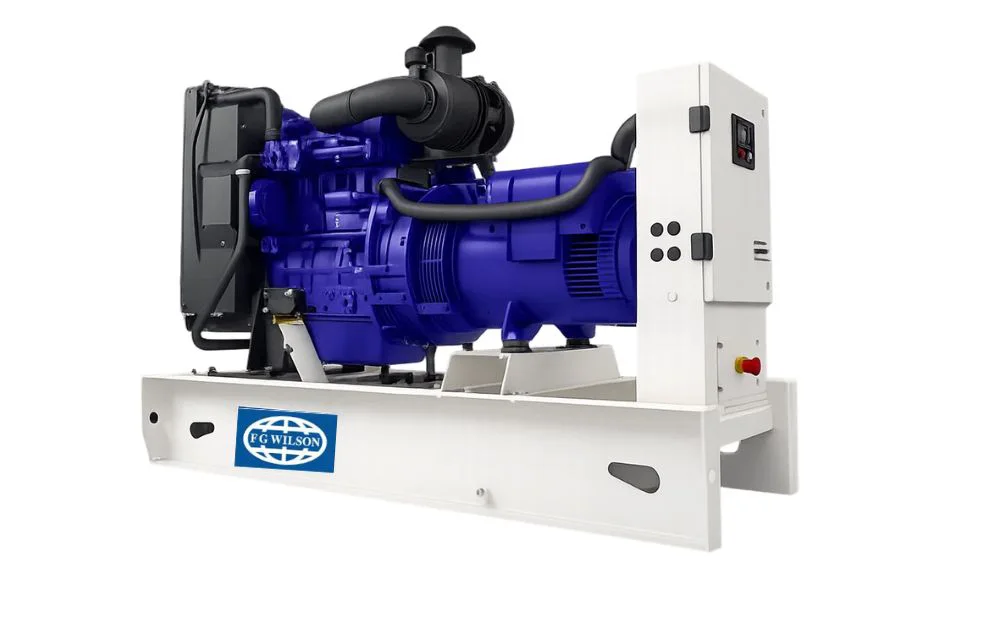
Choose the Right Installation Location
Where you put your generator is one of the most important safety steps.
- Why it matters: Diesel generators in Uganda emit exhaust fumes, including carbon monoxide, which can be deadly if trapped indoors.
Best practices:
- Install your generator outdoors where there’s plenty of fresh air.
- Keep it away from doors, windows, & air vents to avoid fumes entering the building.
- Make sure it’s sitting on a stable, flat surface.
- Leave enough space around it for airflow.
For businesses in Uganda, installing the generator outside is especially important due to local weather conditions and building designs.
Ensure Proper Ventilation
Without proper ventilation, your generator can overheat & dangerous gases can build up.
Key tips:
- Never run your generator indoors or in confined spaces.
- If necessary, use exhaust extensions to direct fumes away.
- Keep air inlets and outlets clear so the generator can breathe.
- Always make sure there’s proper airflow in the room.
Good ventilation helps your generator run more efficiently, extending its life and keeping you safe.
Follow Safe Fuel Handling Procedures
Diesel fuel needs careful handling, even though it’s less volatile than petrol.
Fuel safety guidelines:
- Store diesel in clearly labeled, approved containers.
- Keep fuel away from heat or open flames.
- Never overfill the fuel tank.
- Clean up any spills immediately.
- Only refuel once the generator has cooled down and is switched off.
Don’t forget to make sure your fuel storage follows local safety rules.
Perform Regular Maintenance Checks
Routine maintenance is essential for keeping your generator running safely & smoothly.
Key tasks:
- Check oil and coolant levels regularly.
- Look for fuel leaks or loose connections.
- Replace filters as suggested by the manufacturer.
- Test the battery and connections.
- Have a professional service the generator at regular intervals.
Ignoring maintenance could lead to bigger issues down the line, like overheating or electrical faults.
Use Proper Electrical Connections
Incorrect wiring is one of the top safety risks with generators.
Electrical safety tips:
- Always hire a qualified electrician for installation.
- Install an automatic transfer switch (ATS) if needed.
- Avoid overloading the generator.
- Use cables and connectors rated for the generator’s power.
- Ensure proper grounding to prevent shocks.
If you’re setting up the generator for a commercial space, it’s crucial to get professional get to prevent dangerous backfeeding.
Explore more-A Comprehensive Guide to Choosing the Right Diesel Generator in Uganda
Protect Against Fire Hazards
While diesel generators are relatively safe, they can still pose fire risks if not handled correctly.
Fire safety tips:
- Keep flammable materials away from the generator.
- Always have fire extinguishers nearby.
- Watch out for signs of unusual heat or smoke from the generator.
- Keep the area clean and free of fuel or oil residues.
- Ensure the exhaust system is intact and leak-free.
Having a fire plan in place is especially important in high-load environments like factories.
Train Operators and Staff
Human error is one of the leading causes of generator accidents, so proper training is key.
Training should cover:
- Safe startup and shutdown procedures.
- How to handle emergencies.
- Basic troubleshooting.
- Fuel handling and inspection practices.
If your business relies on diesel generators, investing in operator training is essential to minimize risks & avoid costly downtime.
Monitor Noise and Environmental Safety
Diesel generators can produce a lot of noise and emissions, so it’s important to monitor both.
What you can do:
- Use acoustic enclosures to reduce noise.
- Place generators away from places where people work.
- Follow local guidelines for emissions.
- Keep an eye on exhaust emissions & maintain silencers.
Taking these steps aids create a safer, more compliant working environment.
Keep Emergency Procedures Ready
Even with all precautions in place, things can still go wrong. Being prepared is crucial.
Emergency checklist:
- Have emergency shut-off switches clearly marked.
- Keep service provider contacts handy in case of issues.
- Ensure fire extinguishers are easily accessible.
- Run safety drills periodically to ensure readiness.
- Keep operating procedures well-documented.
Preparedness helps you act fast and minimize any potential damage in case of an emergency.
Conclusion
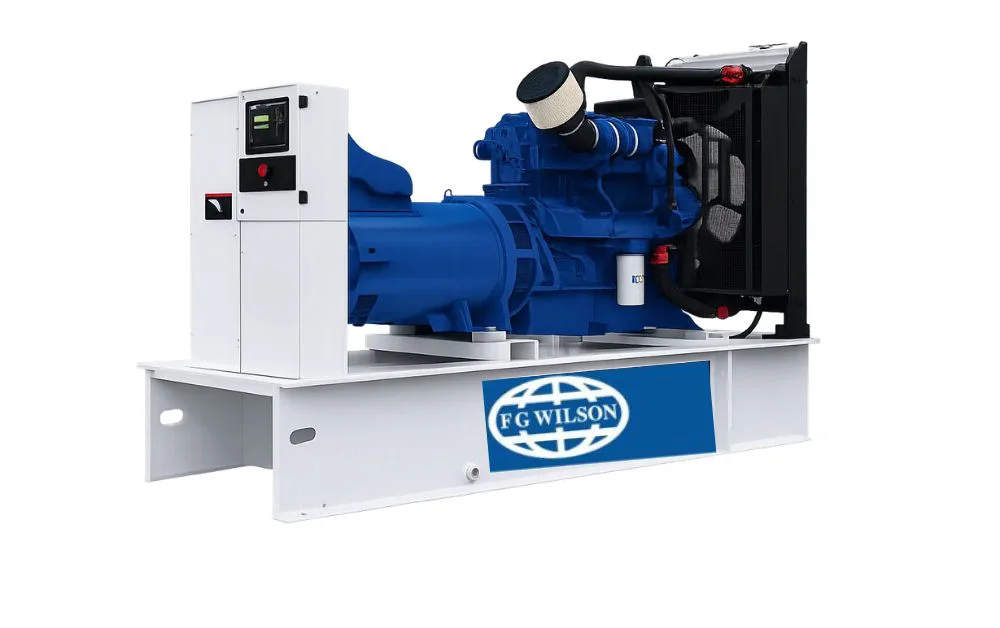
Using a diesel generator safely is about more than just switching it on. From picking the right location and ensuring proper ventilation to doing regular maintenance & training staff, each safety measure is vital for smooth, risk-free operation. As diesel generators continue to power businesses across Uganda, following these safety practices will protect both people and equipment. For reliable diesel generator systems and expert support, Blackwood Hodge Power Services LTD offers high-quality solutions that you can trust.