
Traditional Water Treatment Methods: An Overview
Traditional methods, like sedimentation, filtration, and chlorination, have been the go-to solutions for years. These methods work well for removing solids and organic material from freshwater, but they’re not always the best fit for brackish or seawater.
Here’s a quick breakdown of what traditional methods offer:
- Great for removing suspended solids and some organic materials.
- Lower initial installation cost compared to newer desalination systems.
- They rely on chemicals, which can add up in long-term costs.
- They don’t work as well at removing dissolved salts or heavy metals.
While traditional water treatment works fine for low-salinity sources, it can struggle when dealing with saltier or brackish water, which is where RO systems shine.
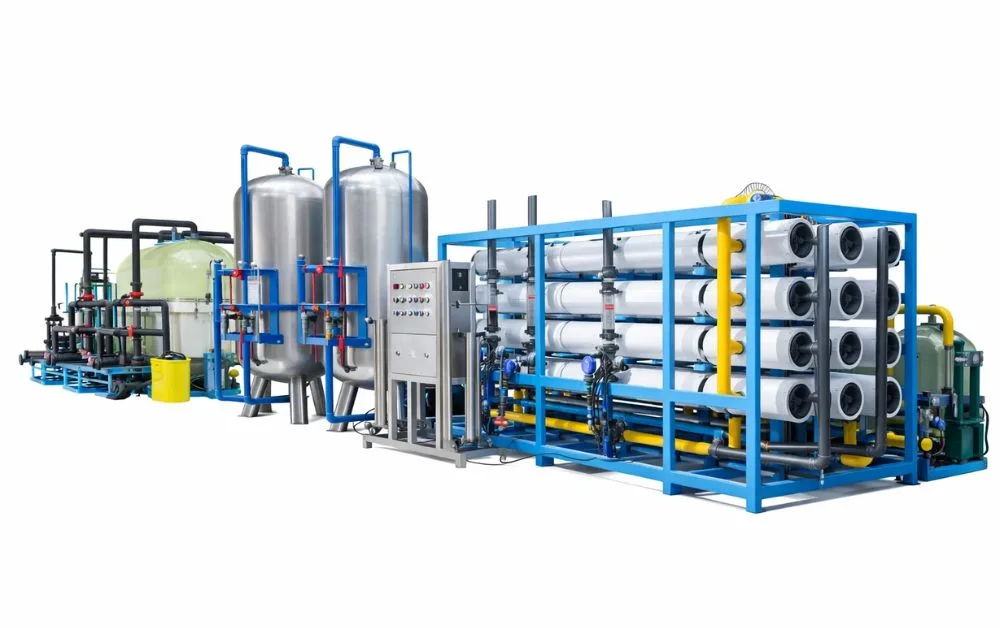
How Do Seawater RO Desalination Systems Work?
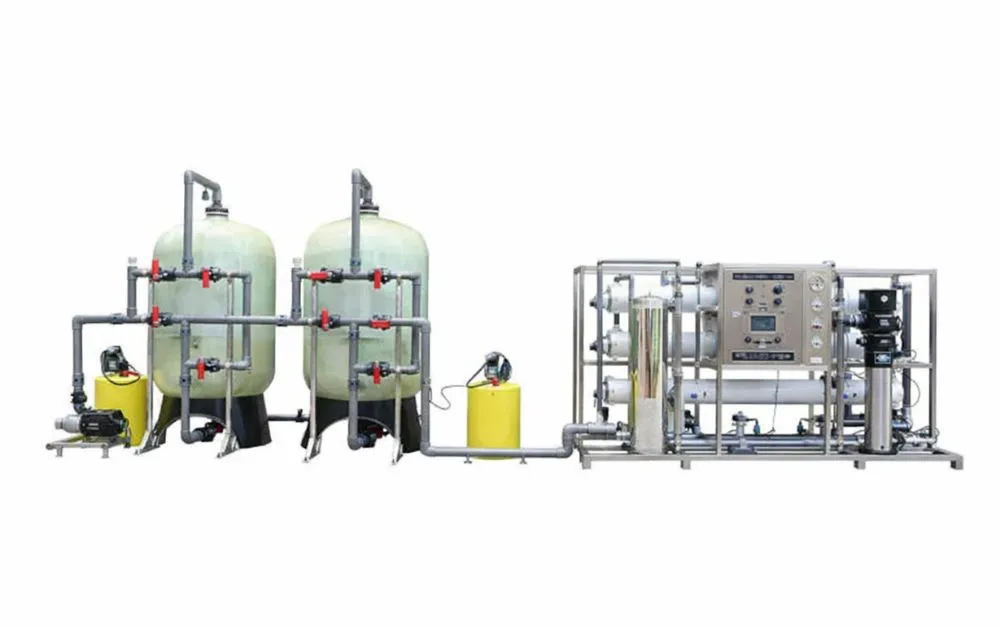
Reverse osmosis desalination uses a special membrane to separate salts, minerals, & impurities from water. These systems are designed to handle high-salinity water, making them ideal for coastal areas or regions with saline groundwater.
Here’s what makes RO systems stand out:
- High-efficiency membranes that remove up to 99% of dissolved salts.
- Pre-treatment stages that help prevent damage to the membranes.
- Automated controls for pressure, flow, and water quality.
- They’re scalable, meaning they can meet both small and large water demands.
With these systems, businesses can use water that would otherwise be too salty for use, offering more flexibility in sourcing water.
Water Quality Comparison
One of the biggest differences between traditional methods and RO desalination is the quality of water they produce.
- Traditional methods: They provide water that’s suitable for general use and basic industrial processes but may leave behind some residual salts or minerals.
- RO desalination systems: They provide high-purity water, making it perfect for sensitive applications like pharmaceuticals, cooling systems, and food processing.
If your business needs consistent, high-quality water, especially for delicate operations, seawater RO systems are the better option.
Also Read-Reducing Operational Costs Using Modern Seawater RO Desalination Systems
Efficiency and Resource Use: The RO Advantage
Traditional water treatment methods can involve several stages, and they often require a lot of chemicals. RO desalination, on the other hand, is much more streamlined and efficient:
- Less chemical use: The membrane-based filtration process reduces the need for chemicals.
- Reduced water wastage: Modern RO systems are designed to recover more water, reducing waste.
- Low labor intensity: Once automated, these systems require far less day-to-day attention.
- Energy-efficient options: Advanced RO systems are designed to minimize energy consumption.
Although the initial cost of an RO system can be higher, the long-term savings on chemicals, maintenance, and labor make it a smart investment over time.
Scalability and Flexibility
For businesses that need water treatment systems that can grow with them, scalability is crucial. Here’s how traditional systems and RO systems compare:
- Traditional systems: Expanding capacity can be challenging and requires adding extra tanks, filters, and chemical handling systems. It’s a complex and space-consuming process.
- RO desalination systems: With modular designs, they allow for easy expansion as your water demand grows, without needing major infrastructure changes.
For industries in Uganda with fluctuating water needs, the scalability of RO systems makes them an attractive option.
Environmental Impact: Which System is More Sustainable?
Environmental considerations are becoming more important for businesses, and water treatment is no exception. Let’s compare the environmental impact of traditional methods & RO systems:
- Traditional methods: These systems can generate chemical sludge and by-products that need to be disposed of properly. They also use lots of water during cleaning processes, and the energy consumption can be quite high.
- RO desalination systems: These systems create minimal chemical waste. They allow for water recycling within industrial processes and have energy recovery systems that reduce electricity use. Plus, they reduce reliance on freshwater sources, which is important for sustainability.
For companies aiming to meet sustainability goals, RO desalination systems offer clear advantages.
Cost Considerations
When it comes to cost, it’s always a balancing act between upfront investment and long-term savings. Traditional systems usually have lower initial costs, but they can incur higher operating costs due to chemical use and frequent maintenance.
RO desalination systems may have a higher upfront cost, but over time they can be more cost-effective because:
- They have lower operational costs thanks to minimal chemical use.
- Reduced maintenance and labor costs due to automation.
- Longer equipment lifespan, especially with proper care.
For businesses that need reliable, high-purity water, the total cost of ownership for RO systems is often lower in the long run.
Conclusion
As industries continue to grow and demand for water increases, traditional methods are no longer enough to meet modern needs—especially for businesses that rely on seawater or brackish water sources. Industrial seawater RO desalination systems in Uganda provide a superior solution by offering high-quality water, operational efficiency, scalability, and environmental benefits. While they may require a higher initial investment, the long-term savings, reliability, and sustainability they offer make them a wise choice for industries in Uganda.
For businesses looking for expert support and reliable RO desalination systems, Blackwood Hodge Power Services LTD provides top-notch solutions tailored to the specific needs of Uganda’s industries.