In a growing country like Uganda, reliable water and sewage systems are not a luxury. They are a necessity. As cities expand and rural areas continue developing, dependable infrastructure becomes the backbone of healthy, stable communities.
Here’s why these systems matter so much.
It Starts With Public Health
The most immediate impact of poor water and sanitation systems is on people’s health. When clean water is not properly separated from waste, diseases spread quickly. Waterborne illnesses such as cholera and typhoid can move through communities faster than many realize.
Reliable systems ensure that drinking water is treated and safe before it reaches homes, schools, and businesses. They also ensure that wastewater is properly collected and treated instead of flowing into open areas or contaminating nearby water sources.
When sanitation works as it should, hospitals see fewer preventable illnesses, families spend less on medical treatment, and communities are simply healthier overall.
Supporting Uganda’s Rapid Growth
Uganda’s towns and cities are expanding every year. New housing developments, factories, shopping centers, and schools are being built to support a growing population. But growth without proper infrastructure can create long-term problems.
Water supply and sewage management must keep pace with development. Without them, new neighborhoods can face shortages, poor drainage, and sanitation challenges.
Reliable water and sewage solutions Uganda make development sustainable. They allow communities to grow in a way that is organized, safe, and future-focused. Investors and developers are also more confident in areas where infrastructure is already in place.
Protecting Natural Water Sources
Uganda is blessed with lakes, rivers, and groundwater resources that many communities depend on daily. But these resources are vulnerable.
When wastewater is not properly treated, it can pollute rivers and lakes, harm wildlife, and contaminate drinking water sources. Over time, this damage becomes difficult — and expensive — to reverse.
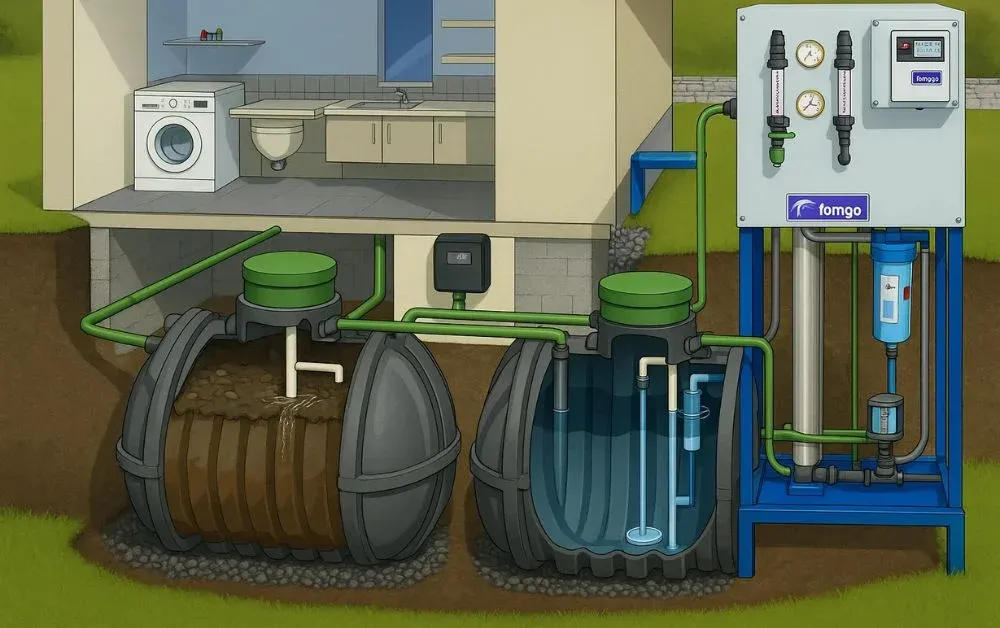
Modern sewage systems treat waste before it is released back into the environment. Some systems even allow for water recycling and reuse, which is becoming increasingly important as demand rises.
Protecting the environment isn’t just about conservation. It’s about protecting the country’s long-term water security.
Keeping Businesses Running
Water and sanitation infrastructure doesn’t only affect households. Many industries depend heavily on consistent water supply and proper waste management. Manufacturing plants, hotels, hospitals, food processing facilities — all rely on these systems every single day.
When water supply is interrupted or sewage systems fail, operations can stop immediately. That means lost revenue, damaged equipment, and sometimes regulatory penalties.
Communities with reliable infrastructure create a more stable environment for businesses. And when businesses thrive, they create jobs and strengthen the local economy.
Also Read-Top Technologies Shaping the Future of Water and Sewage Solutions in Uganda
Improving Everyday Quality of Life
Good sanitation improves daily life in ways that people often take for granted.
Clean streets, functioning drainage, and safe water create healthier and more comfortable neighborhoods. Schools and healthcare facilities operate more effectively. Property values tend to improve in areas with dependable services.
In many communities across Uganda, improved sanitation has been linked to better school attendance and stronger community wellbeing. When children don’t have to worry about unsafe water or unhygienic conditions, they can focus on learning.
These systems may operate underground or behind walls, but their impact is visible everywhere.
Preparing for Heavy Rains and Flooding
Uganda experiences seasonal heavy rainfall, & when drainage systems are poorly designed, flooding becomes a serious problem. Floodwater mixed with sewage can create both property damage and health hazards.
Well-planned water and sewage infrastructure includes proper drainage and stormwater management. This helps prevent overflow, protects roads and buildings, and reduces emergency response costs during extreme weather.
As weather patterns become less predictable, building resilient systems is more important than ever.
The Role of Proper Design and Ongoing Maintenance
Even the best equipment won’t perform well if it’s poorly designed or neglected. Reliable systems require careful planning based on population size, water demand, local geography, and future growth.
Installation must be done professionally, and maintenance cannot be ignored. Regular inspections, servicing, and upgrades ensure that systems continue working efficiently for years.
Short-term fixes may seem cheaper, but they often lead to bigger expenses later. Long-term planning is what truly makes infrastructure reliable.
Final Thoughts
Water and sewage systems are not just technical installations. They are the foundation of healthy communities, economic stability, and environmental protection.
Reliable water and sewage solutions in Uganda support public health, enable development, protect natural resources, and improve everyday living conditions. Communities that invest in strong infrastructure today are building safer and more resilient futures. For organizations and communities seeking professionally engineered and dependable solutions, Blackwood Hodge Power Services LTD continues to be a trusted partner in delivering advanced water and sewage infrastructure across Uganda.