
When planning a project, one question often comes up: should you go with a standard control panel or invest in a custom-built solution?
The answer depends on what you’re trying to achieve. Understanding the difference can help you work more effectively with a reliable control panel supplier in Uganda and avoid costly mistakes.
What Standard Control Panels Really Offer
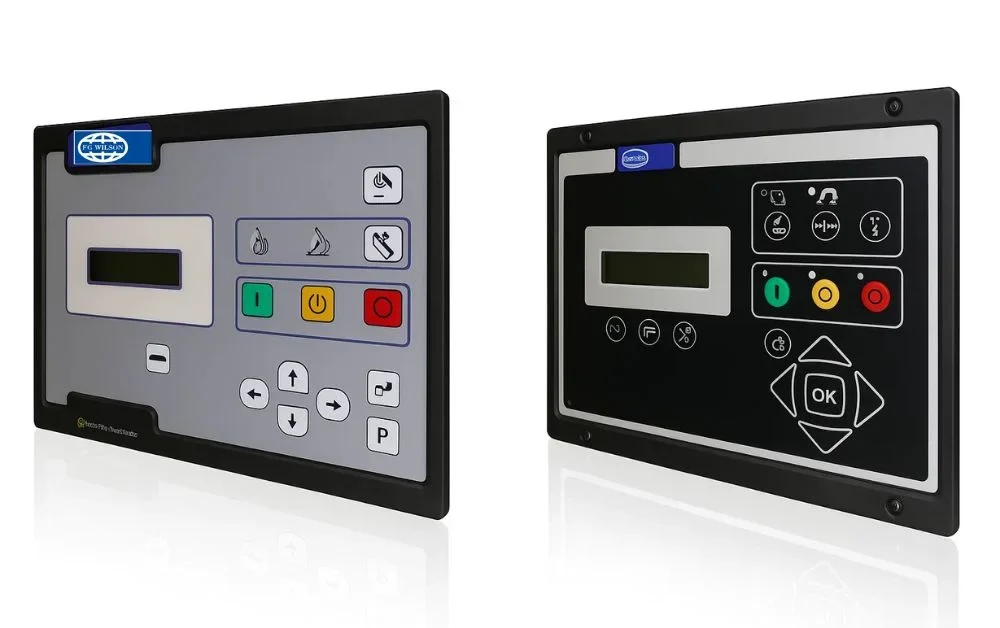
Standard control panels are essentially ready-made solutions. They’re designed for common applications and built using widely accepted configurations. Because they’re pre-engineered, they’re usually available quickly and at a lower upfront cost.
If your operation is straightforward — for example, basic motor control or a small pumping system — a standard panel can do the job perfectly well. There’s no need to reinvent the wheel if your requirements are simple and predictable.
One of the main advantages is speed. Since these panels don’t require extensive design work, they can be delivered and installed relatively quickly. For urgent projects or tight budgets, that can be a big advantage.
However, standard panels come with fixed configurations. While minor adjustments might be possible, they’re not designed to handle complex or highly specific operational demands.
When Custom Control Panels Make More Sense
Custom control panels, on the other hand, are built specifically for your operation. Instead of adapting your system to fit a pre-made panel, the panel is designed around your exact requirements.
This process usually starts with a detailed discussion and site assessment. Factors like load requirements, automation level, safety standards, space limitations, and future expansion plans are all considered before design begins.
Custom panels are commonly used in more demanding environments — such as mining operations, large water treatment facilities, integrated building management systems, or specialized production lines. In these cases, precision and reliability are critical.
While the initial investment is typically higher, custom panels are designed to optimize performance. They eliminate unnecessary components, improve efficiency, & integrate smoothly with existing systems.
The Practical Differences That Matter
One of the biggest differences between standard and custom panels is flexibility.
With a standard panel, what you see is largely what you get. It’s designed for general use, and major modifications can be difficult or impractical. For simple tasks, that’s not a problem. But for complex processes, limitations can quickly appear.
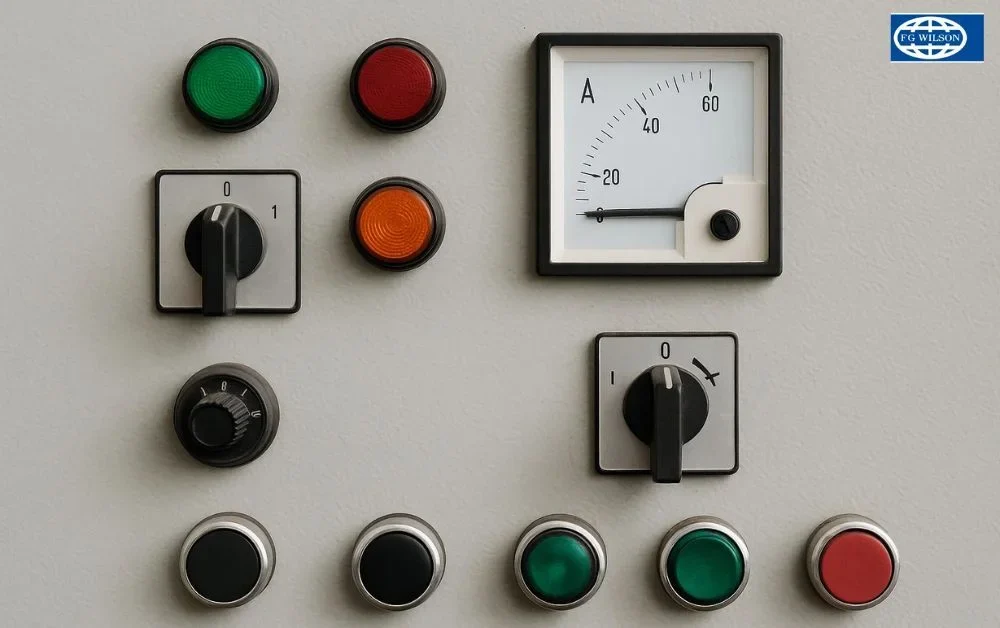
Custom panels are far more adaptable. They’re engineered around your workflow, making integration easier & performance more precise. If your operation has unique technical requirements, custom design often provides better long-term value.
Cost is another important factor. Standard panels are usually more affordable upfront because they don’t require specialized engineering. Custom panels involve design time, technical expertise, and tailored manufacturing, which increases the initial price.
But it’s important to look beyond the purchase cost. Custom panels often reduce inefficiencies, improve energy use, & minimize operational issues. Over time, those savings can balance — or even outweigh — the higher initial investment.
Explore more-The Difference Between PLC Control Panels and Traditional Panels
Speed vs. Precision
If your project timeline is tight and the application is simple, a standard panel might be the most practical choice. It can be installed quickly and perform reliably for common tasks.
Custom panels require more time. There’s a design phase, engineering review, manufacturing, and testing before installation. But what you gain is precision. The system is built exactly for your environment, not adapted to it.
In industries where downtime is expensive or safety requirements are strict, that extra effort can make a significant difference.
Thinking About the Future
One mistake many businesses make is focusing only on present needs. Operations grow, processes change, and automation levels increase over time.
Standard panels may have limited room for expansion. In some cases, upgrading means replacing the entire unit.
Custom panels can be designed with future scalability in mind. Additional capacity, integration points, or automation features can be planned from the start. That flexibility often saves money & disruption later.
Compliance and Safety Considerations
Both standard and custom panels can meet general safety requirements. However, industries like mining, utilities, and heavy manufacturing often require very specific protection measures.
Custom panels allow for tailored safety features and industry-specific compliance. This level of precision is especially important when dealing with high loads, hazardous environments, or complex automation systems.
So, Which One Should You Choose?
There’s no universal answer.
If your operation is simple, repetitive, and time-sensitive, a standard control panel may be more than enough. It’s cost-effective and efficient for common applications.
If your system is complex, mission-critical, or likely to expand in the future, a custom-built panel is often the smarter long-term investment.
The key is working with an experienced control panel supplier in Uganda who understands your industry and can guide you honestly based on your operational needs. For businesses seeking dependable expertise and well-engineered solutions — whether standard or fully customized — Blackwood Hodge Power Services LTD remains a trusted partner for control panel systems in Uganda.