
Why Mining Pump Selection Is So Important
Unlike pumps used in standard water supply or general industrial applications, mining pumps face a unique combination of challenges. They must handle fluids that may contain abrasive solids, corrosive chemicals, or large particulates. They often need to operate continuously without interruption in locations that are difficult to access for maintenance. The pressure and flow demands are frequently extreme, and the consequences of a pump failure — flooding, production loss, or safety incidents — are serious. Selecting a pump that is engineered specifically for mining conditions is therefore not optional. It is a critical operational decision.
Understanding the Main Types of Mining Pumps
1. Submersible Dewatering Pumps
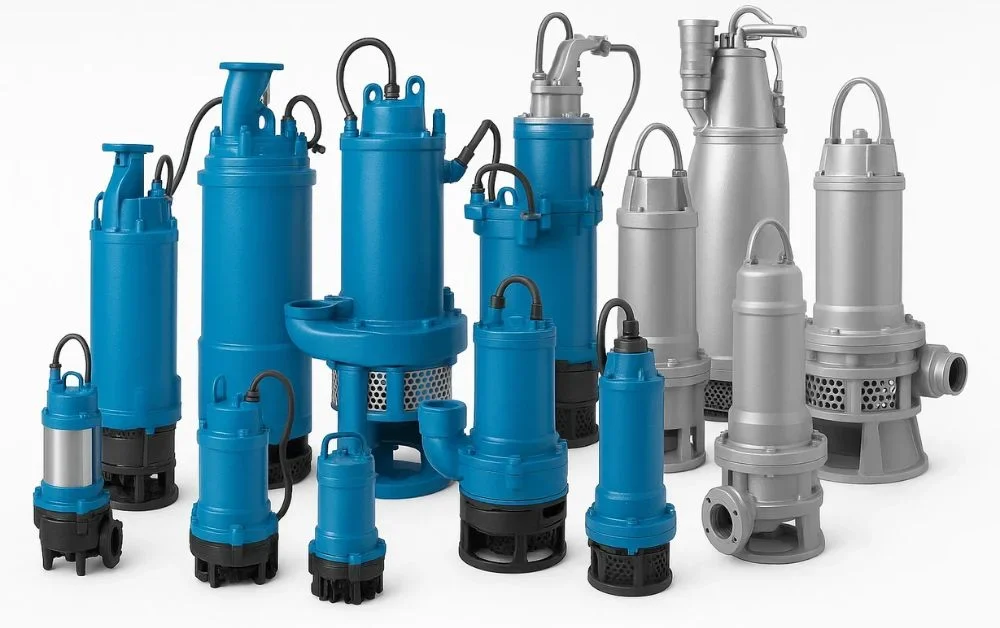
Submersible dewatering pumps are placed directly into the water and expel it upward to the surface through a discharge pipe. They are the most commonly used option for removing groundwater from underground mine shafts, tunnels, and surface pits. Because the motor is sealed within the pump housing and submerged alongside the impeller, submersible pumps do not lose their prime when water levels fluctuate — a common problem with surface-mounted alternatives. Their compact design also allows them to be lowered into tight, confined spaces where larger surface equipment cannot reach.
2. Centrifugal Slurry Pumps
When the fluid being pumped contains a high concentration of solid particles — such as sand, fine ore particles, tailings, or gravel — a centrifugal slurry pump is the appropriate choice. These pumps are constructed with wear-resistant materials, typically high-chrome alloys or specialized rubber linings, that can withstand the constant abrasion from solid particles without rapidly deteriorating. Slurry pumps are essential components in ore processing, tailings management pipelines, and any application where standard pump materials would be destroyed within weeks.
Suggested Read-How to Select Energy-Efficient Mining Pumps for Cost Savings?
3. Vertical Turbine Pumps
In large-scale mining dewatering applications where water must be extracted from considerable depths and the pump motor needs to remain accessible at the surface, vertical turbine pumps are the preferred solution. The pump stages are lowered into the water column while the motor sits above ground, making it easy to service without removing the entire unit from the shaft or borehole. They are capable of producing high flow rates from deep sources, making them suitable for mines with significant water inflow volumes.
4. Horizontal Split Case Pumps
For surface applications requiring very high flow rates over extended distances — such as pumping large volumes of dewatered groundwater away from a mine boundary — horizontal split case pumps provide the capacity and efficiency required. One of their most valuable features is the ability to open the pump casing for inspection and maintenance without disconnecting the pipework, which significantly reduces maintenance time and keeps downtime to a minimum.
5. Diaphragm Pumps
Diaphragm pumps are well suited to applications where the water contains large solid particles or debris that would block the impeller of a centrifugal pump. They are also capable of running dry without damage, which makes them forgiving in situations where water levels are unpredictable. Their straightforward design makes them easy to maintain in the field, and they are frequently used in surface drainage, sump clearing, and site dewatering during excavation work.
Key Factors to Consider When Selecting a Mining Pump
- The nature of the fluid — clean water, muddy water, or high-concentration slurry
- The required flow rate and total head pressure needed for your application
- The installation depth and accessibility of the pump location
- The solid particle size and concentration in the fluid
- The required continuous duty cycle and expected operating hours
- The availability of spare parts and qualified service technicians in your region
After-Sales Support: As Critical as the Pump Itself
Even the best-engineered mining pump will eventually need maintenance or replacement parts. In a remote mining environment, the speed at which you can get a pump back into service after a breakdown has a direct financial impact. Choosing a supplier with local stock of critical spare parts, trained technicians, and a commitment to rapid response minimizes the cost and disruption of equipment downtime.
Conclusion
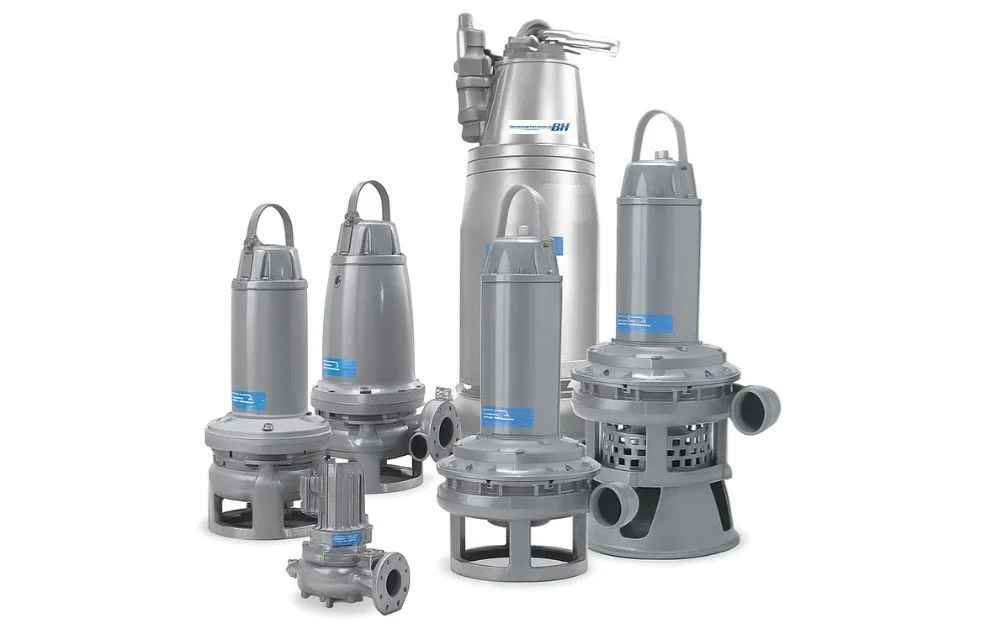
Finding the perfect mining pump for your operation requires a thorough understanding of what the pump will face in real conditions and matching those demands to the right technology. From submersible dewatering pumps for flooded underground workings to robust centrifugal slurry pumps for ore processing applications, each type serves a distinct purpose. As a reliable mining pumps supplier in Uganda, Blackwood Hodge Power Services Ltd brings the product knowledge and local support expertise that mining operations need to keep their water management running effectively and their production on track.