
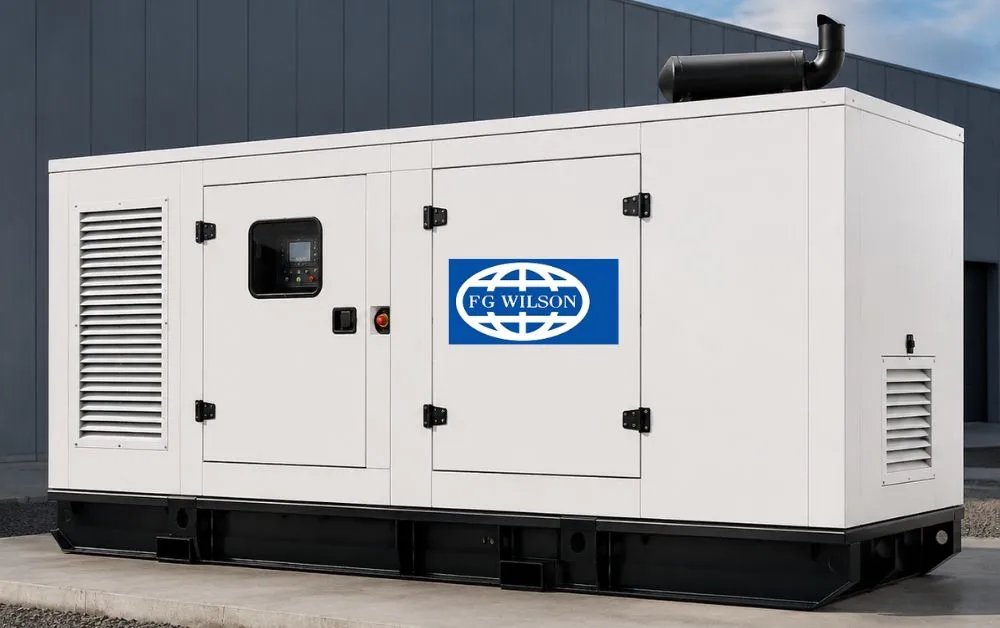
Why Generator Enclosure Maintenance Cannot Be Ignored
An enclosure that is cracked, rusted, poorly sealed, or poorly ventilated does not just look bad — it actively creates problems for the generator inside. Moisture entering through failed seals causes corrosion on engine components and electrical connections. Blocked ventilation causes the generator to overheat, which reduces efficiency, accelerates wear, and can trigger automatic shutdowns. Poor security from damaged locks or panels exposes the equipment to tampering or theft. Each of these issues compounds over time if enclosure maintenance is neglected.
Establishing a Routine Inspection Programme
The foundation of good enclosure maintenance is a consistent inspection routine. At minimum, a visual inspection should be carried out monthly. During this inspection, look closely for:
- Rust or surface corrosion forming on metal panels, frames, or fasteners
- Damaged, bent, or missing access panels
- Cracked or deteriorated seals around doors, ventilation openings, and cable entries
- Water staining inside the enclosure that may indicate moisture ingress
- Loose or missing bolts and hinges on doors and panel fixings
- Pest or insect activity inside the enclosure
Identifying these issues early allows for inexpensive repairs that prevent them from developing into serious structural or functional problems.
Keeping the Enclosure Clean
Dirt, dust, industrial residue, and organic matter accumulate on enclosure surfaces over time and can degrade protective coatings and clog ventilation openings. The exterior should be wiped down regularly using a soft cloth or a low-pressure air blower to remove loose debris. For enclosures in particularly dusty or coastal environments — where salt air accelerates corrosion — more frequent cleaning cycles are necessary. Avoid using harsh solvents or high-pressure water jets, as these can strip protective coatings and force moisture into sealed areas.
Maintaining Proper Ventilation
Generator set enclosures rely on carefully designed airflow paths to keep the engine at the correct operating temperature. Cooling air enters through intake louvers, passes over the engine and radiator, and exits through exhaust louvers. If any part of this airflow path is blocked — whether by debris, vegetation, or accumulated dirt — the generator will overheat. Check all ventilation openings monthly to confirm they are completely clear. Air filters within the ventilation system should be cleaned or replaced according to the manufacturer’s recommendations, and more frequently in dusty operating environments.
Explore more-Understanding the Importance of Ventilation in Generator Set Enclosures
Anti-Corrosion Treatment and Surface Protection
Metal enclosures in Uganda’s climate are susceptible to rust, particularly in humid areas or during the rainy seasons. Inspect all painted surfaces annually for chips, scratches, or bubbling that indicates rust forming underneath the paint. Sand back affected areas and apply a quality anti-corrosion primer and topcoat to restore the protective barrier. Pay particular attention to seams, weld lines, and corners where paint adhesion is more difficult and corrosion tends to start. Applying a fresh coat of protective paint to the entire enclosure every two to three years is a sensible investment in longevity.
Door, Lock, and Security Maintenance
All doors on the enclosure should open and close smoothly and latch securely. Hinges should be lubricated at least twice per year to prevent seizing, and lock mechanisms should be tested and lubricated at the same intervals. A secure enclosure prevents unauthorized access to the generator, which is important both for safety and for protecting the investment. If any lock is found to be damaged or ineffective, it should be repaired or replaced immediately.
Scheduling Annual Professional Inspections
Beyond the routine monthly checks that can be carried out by your own maintenance team, an annual comprehensive inspection by a qualified technician is essential. A professional inspection covers the structural integrity of the enclosure, the condition of electrical cable entries and weatherproof seals, the performance of the ventilation system under operating conditions, and any signs of deterioration that may not be obvious to an untrained observer. Catching structural issues during an annual inspection is far less expensive than addressing the consequences of enclosure failure on the generator inside.
Conclusion
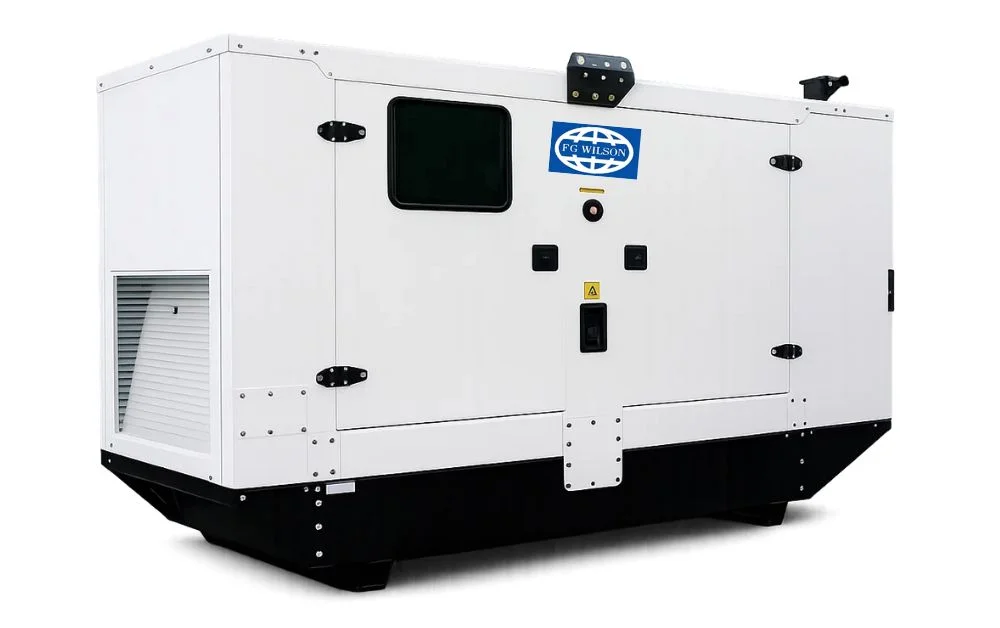
Generator set enclosures play a vital role in protecting your power investment, and their maintenance should be treated with the same discipline as the generator itself. A well-maintained enclosure ensures proper ventilation, prevents corrosion and moisture ingress, maintains security, and extends the operational life of the equipment inside. As a reliable generator set enclosures supplier in Uganda, Blackwood Hodge Power Services Ltd provides quality enclosure solutions and the expert support you need to keep your entire power system performing reliably over the long term.