
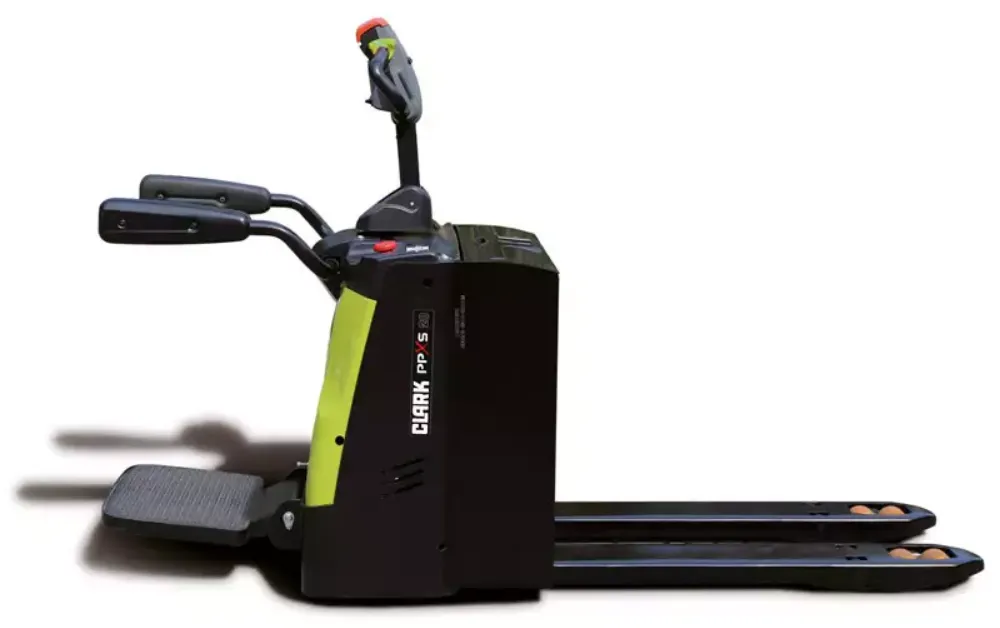
The Performance Gap Between Lithium-Ion and Lead-Acid
The operational performance difference between lithium-ion and lead-acid powered electric pallet trucks is significant and consistently reported by operators who have made the transition. Lead-acid batteries experience a progressive voltage drop as they discharge, which translates into reduced travel speed and diminished lifting performance during the second half of each operational shift. A truck that performs well at the start of a shift is noticeably slower and less responsive by the time battery charge falls below 50 percent. Lithium-ion batteries, by contrast, maintain consistent voltage output from full charge down to very low states of charge, delivering uniform performance throughout the entire shift. For warehouse operations with fixed throughput targets and tight picking schedules, this consistent performance profile eliminates the productivity shortfall that lead-acid technology creates during the latter portion of every shift.
Opportunity Charging: The Shift Pattern Game Changer
Perhaps the most operationally significant advantage of lithium-ion technology is its complete compatibility with opportunity charging — the practice of connecting the truck to a charger during any available break, shift changeover, or low-activity period, regardless of the current state of charge. Lead-acid batteries suffer memory effect degradation when subjected to partial charging cycles and require full discharge and recharge cycles to maintain capacity and lifespan. This creates a fundamental operational constraint: lead-acid trucks must complete full overnight charge cycles and cannot be supplemented with opportunity charges during the day without damaging the battery over time. Lithium-ion batteries accept partial charging with no degradation whatsoever. A 20-minute charge during a lunch break, a 10-minute top-up during a shift handover, or an overnight charge from any starting state of charge — all are equally beneficial and equally harmless to lithium-ion battery longevity. This compatibility with opportunity charging allows 24-hour Uganda warehouse operations to run lithium-ion electric pallet trucks continuously across multiple shifts with a single battery per truck, eliminating the need for the multiple battery sets and dedicated battery changing infrastructure that multi-shift lead-acid operations require.
Additional resources-Why More Businesses Are Switching to Powered Lithium-Ion Pallet Trucks
Maintenance Advantages in Uganda’s Operating Environment
Lead-acid batteries require regular and careful maintenance: periodic replenishment of electrolyte with distilled water, post-charge equalisation cycling to balance individual cell voltages, terminal cleaning to prevent corrosive build-up, and careful management of battery room ventilation to safely disperse the hydrogen gas generated during charging. In Uganda’s industrial environment, where maintenance discipline and distilled water availability may not always be consistent, lead-acid battery maintenance requirements create real operational risks of premature battery failure and reduced capacity from inadequate maintenance. Lithium-ion batteries require no water maintenance, no equalisation cycling, and no special ventilation during charging. The maintenance burden is dramatically lower, the risk of capacity loss from maintenance neglect is essentially eliminated, and the battery room infrastructure requirements are far simpler and less expensive to establish.
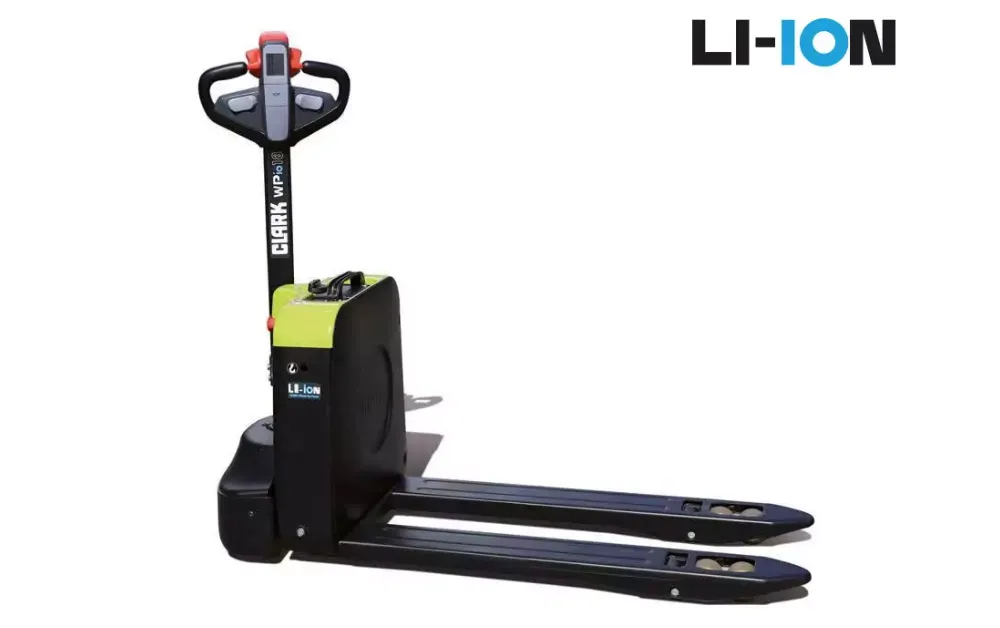
Total Cost of Ownership Analysis
For Uganda pallet truck supplier customers evaluating the lithium-ion versus lead-acid decision, the total cost of ownership analysis consistently favours lithium-ion across a three to five year ownership horizon. Lithium-ion batteries deliver three to four times the charge cycle life of equivalent lead-acid batteries, meaning the battery replacement cost that lead-acid operations face after two to three years of intensive use is deferred or eliminated entirely within the typical equipment ownership period. The higher initial acquisition cost of a lithium-ion equipped truck — typically 20 to 35 percent more than an equivalent lead-acid truck — is recovered through lower maintenance costs, longer battery lifespan, better energy efficiency, and the operational productivity advantages of consistent performance and opportunity charging flexibility. As Uganda’s warehousing sector continues to professionalise and efficiency demands rise, lithium-ion electric pallet trucks are increasingly the specification of choice for operators focused on long-term operational performance rather than minimum initial capital outlay.