Reverse Osmosis: The Gold Standard for Commercial Purification
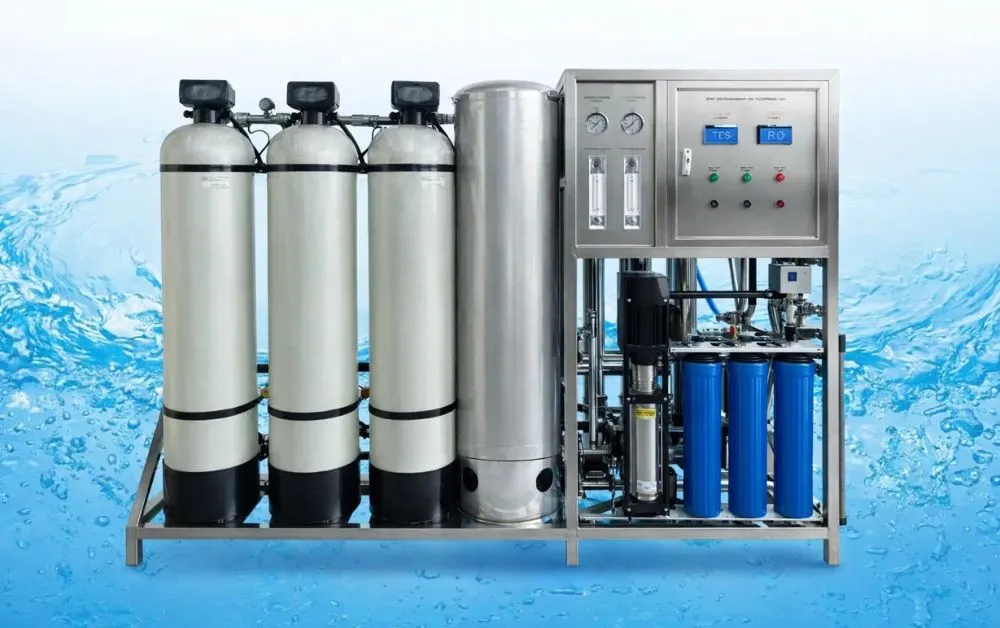
Reverse osmosis technology is the most comprehensive and widely applied commercial water purification approach globally, and increasingly the standard specification for Uganda’s commercial drinking water and food service water treatment requirements. RO systems force pressurised water through semi-permeable membranes that physically reject dissolved solids, heavy metals, bacteria, viruses, organic compounds, and most chemical contaminants, producing purified permeate water of consistently high quality regardless of the variability in feed water quality. Drinking water purifier machines in Uganda based on RO technology are available across a wide range of production capacities — from compact under-counter units producing 200 to 500 litres per day for small commercial offices and restaurants, through to large industrial RO systems producing tens of thousands of litres per hour for manufacturing facilities, hospitals, and large institutional campuses. The technology’s ability to consistently produce water quality meeting WHO drinking water standards regardless of feed water variability makes it the most reliable and comprehensive purification option for Uganda commercial applications.
UV Disinfection: Targeted Pathogen Elimination
Ultraviolet disinfection systems provide highly effective, chemical-free biological treatment that destroys the DNA of bacteria, viruses, and protozoa including chlorine-resistant organisms such as Cryptosporidium and Giardia — pathogens that chemical disinfection alone cannot reliably eliminate. UV disinfection works by exposing water to high-intensity UV light at a wavelength of 254 nanometres as it flows through a stainless steel reaction chamber. The UV exposure damages the nucleic acids of microorganisms, preventing reproduction and causing rapid cell death. The critical advantage of UV disinfection is that it adds no chemicals to the water, produces no disinfection byproducts, and does not alter the taste, colour, or pH of treated water. UV systems are typically deployed as a final polishing stage following filtration and RO treatment, providing a complete biological barrier that gives confidence in the microbiological safety of the treated water supply.
Related read:-Things to Know Before Buying Drinking Water Purifier Machines
Industrial Water Treatment Systems for Uganda Manufacturing
Industrial water treatment systems in Uganda address water quality requirements that extend beyond drinking water standards into the specialised process water needs of manufacturing, food and beverage production, pharmaceutical manufacturing, and industrial utility systems. Boiler feed water treatment — through softening and deaeration — prevents the scale formation and corrosion in steam boiler systems that creates both efficiency losses and catastrophic boiler failures. Cooling water treatment with appropriate chemical programmes prevents scale, corrosion, and biological growth in heat exchanger and cooling tower systems. Food and beverage manufacturing process water must meet food-grade quality standards that require RO or deionisation treatment to remove the dissolved solids and microorganisms that would affect product quality, shelf life, and regulatory compliance.
Pre-Treatment: The Foundation of System Performance
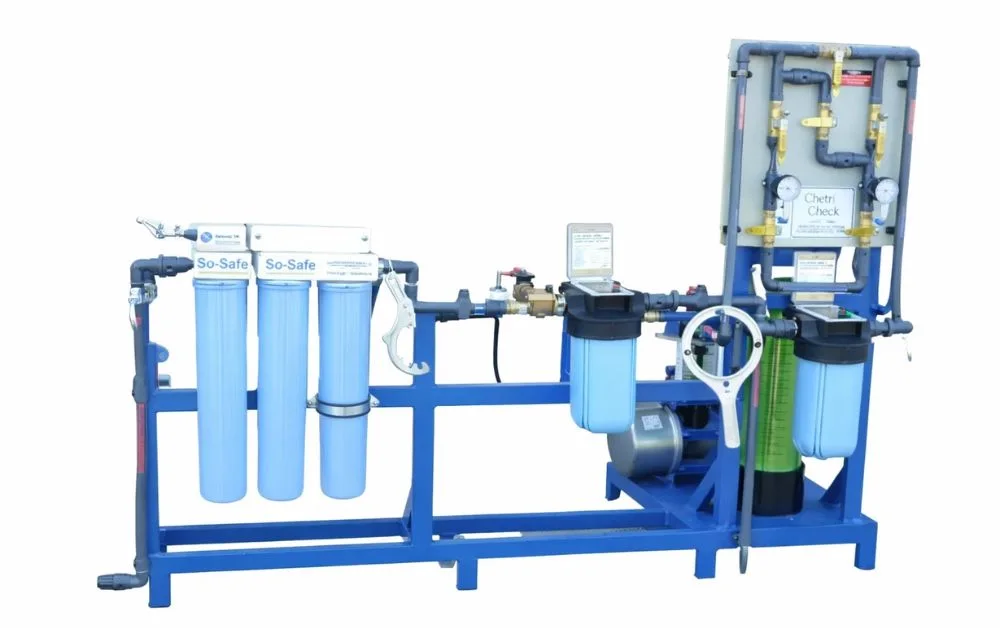
Pre-treatment of feed water before it reaches the primary purification system is one of the most consistently underappreciated elements of commercial water purification system design in Uganda. Uganda’s varied water sources — municipal water with variable chlorination and turbidity, borehole water with high iron and manganese content, surface water with seasonal turbidity and biological load — each require specific pre-treatment sequences to protect the primary purification equipment and ensure consistent output quality. Multimedia filtration removes suspended solids and turbidity that would rapidly foul RO membranes. Iron and manganese removal systems protect downstream equipment from oxidation fouling. Activated carbon filtration removes chlorine and organic compounds that would degrade RO membrane performance over time. Correctly specified and maintained pre-treatment systems extend the service life of primary purification membranes and equipment dramatically, reducing long-term maintenance costs and improving the consistency of treated water quality.
Selecting a Water Purification System Supplier in Uganda
Selecting a commercial water purification system supplier in Uganda involves evaluating five critical dimensions: the supplier’s technical capability to assess feed water quality and specify appropriate treatment for your specific water challenges; the quality and reliability of the equipment brands they supply; their local service and spare parts support capability for ongoing maintenance and repair; their experience with similar applications in Uganda’s specific water quality and climate context; and their willingness to provide documented performance guarantees that give confidence the system will meet its specified water quality targets consistently. A supplier who conducts thorough water quality analysis before recommending a system specification — rather than applying a standard solution without site-specific assessment — is demonstrating the professional engineering approach that protects the customer’s investment and ensures the system addresses the actual challenges present in the water supply.