Understanding What Makes Reach Trucks Different
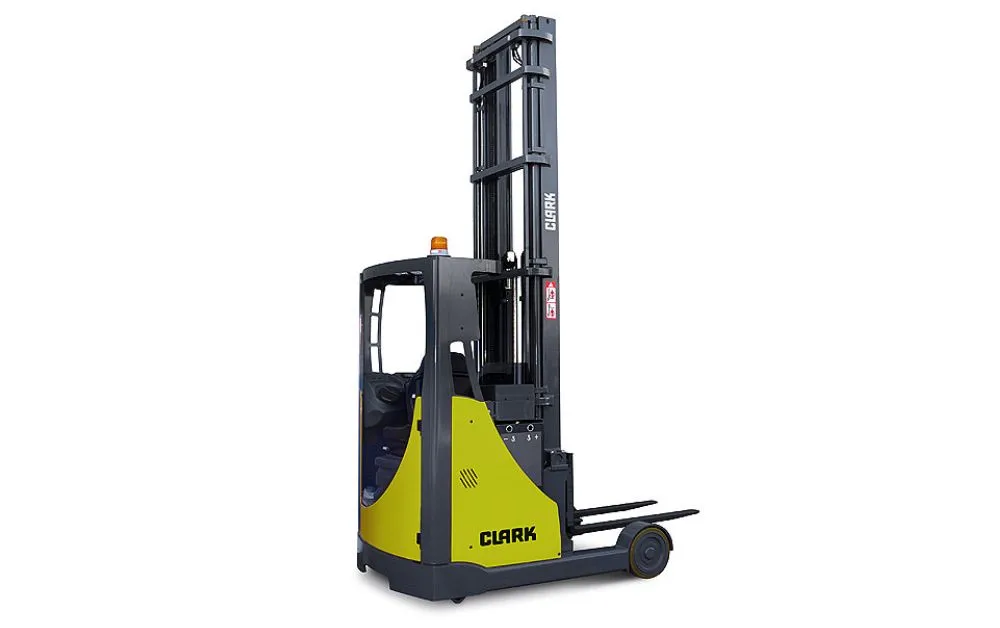
Standard counterbalance forklifts require working aisles of 3.5 to 4.5 metres because the load is carried in front of the wheelbase, outside the machine footprint. Every aisle of that width in a warehouse consumes floor area that generates no storage value — it exists entirely to enable forklift movement. Reach trucks solve this problem through mechanical design innovation. The extending mast system allows the forks to reach forward into the racking structure while the truck body remains in the aisle, enabling operation in aisle widths of just 2.3 to 2.8 metres. This fundamental difference allows warehouse operators to install significantly more racking rows in an identical floor footprint — increasing usable pallet positions by 30 to 50 percent compared to a conventional forklift layout. For any Uganda warehouse operation facing inventory growth pressure or real estate cost constraints, this density advantage is commercially transformative.
Height Capability and Multi-Level Racking
Modern reach trucks are engineered to operate at lift heights of 6 to 12 metres and beyond, far exceeding the practical safe operating height of standard counterbalance forklifts. This vertical reach capability allows Uganda warehouse operators to install five, six, or seven levels of racking and to utilise the full height of the building envelope rather than limiting storage to the two or three levels that conventional forklifts can safely reach. The additional pallet positions created by combining narrow-aisle operation with high-rack reach truck capability can often eliminate the need for warehouse expansion projects that would otherwise require significant capital investment and business disruption.
Read more-Why More Businesses Are Switching to Powered Lithium-Ion Pallet Trucks
Safety Systems and Operator Assistance Technology
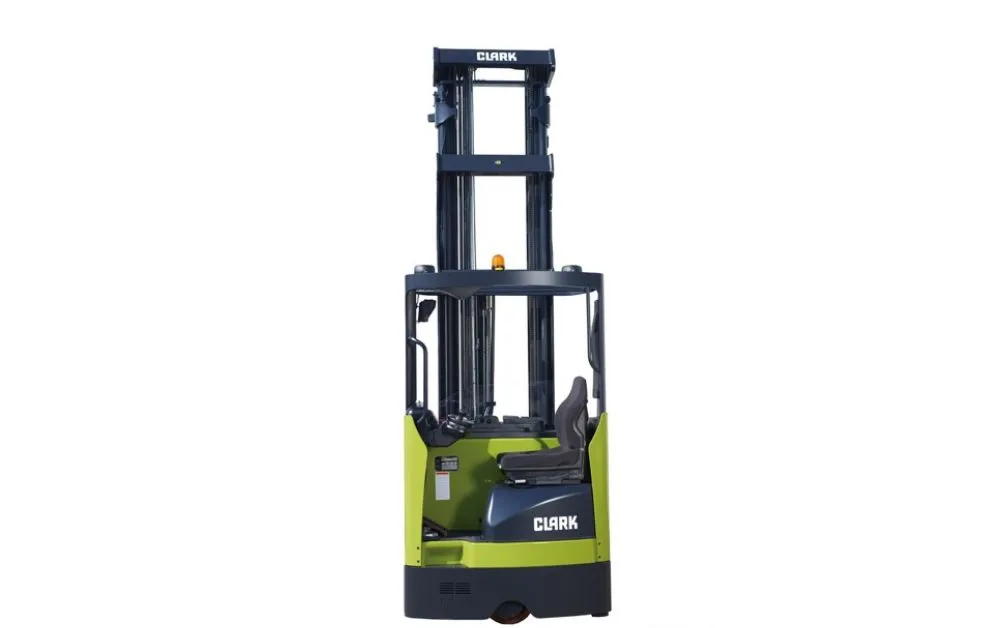
Contemporary reach trucks incorporate sophisticated operator assistance and safety technologies that improve both safety outcomes and operational productivity. Height selectors allow operators to pre-programme target storage positions so the mast stops automatically at the correct level, dramatically reducing placement errors at upper racking levels and improving cycle times for high-level operations. Integrated stability management systems continuously monitor the combination of load weight, mast height, and travel speed, automatically reducing speed when the system detects conditions approaching the stability boundary. Ergonomically designed operator compartments with adjustable seating, vibration-dampening platforms, well-positioned controls, and good all-round visibility reduce operator fatigue across long shifts and support sustained high productivity throughout the working day.
Specification Guidance for Uganda Operations
Selecting the correct reach truck specification for a Uganda warehouse requires systematic assessment of several key parameters. The existing or planned aisle width in the racking layout determines which reach truck models are physically compatible. The maximum required lift height determines the mast specification needed. The maximum anticipated load weight and standard pallet dimensions determine the rated capacity and fork spread required. The available electrical infrastructure determines the charging system needed, since reach trucks are powered by large traction batteries requiring dedicated charging facilities. For operations running extended shifts, the battery capacity must be adequate for the operational shift pattern, or provision must be made for battery changing or opportunity charging.
Why Warehouse Equipment Uganda Operators Are Investing Now
The combination of Uganda’s growing consumer market, expanding regional trade volumes, and the increasing professionalisation of the logistics sector is creating sustained demand for higher-capacity, more efficient warehouse equipment Uganda operations. Operators who invest in reach truck capability now are building a competitive advantage in storage density, throughput capacity, and operational efficiency that positions them ahead of competitors still relying on conventional forklift operations. Working with experienced forklift suppliers in Uganda who can conduct a thorough needs assessment, specify the most appropriate reach truck configuration for the specific operation, provide comprehensive operator training, and support the equipment with local service and genuine spare parts delivers a significantly better long-term investment outcome than simply purchasing the cheapest available machine.