
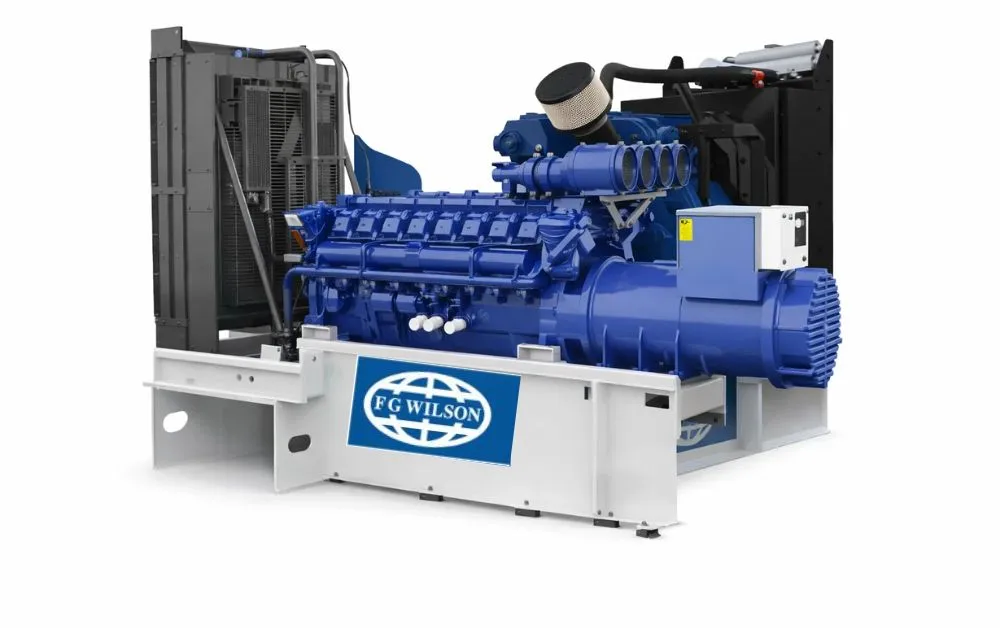
The Advantages of Commercial Diesel Generators
1. Exceptional Reliability Under Load
Commercial diesel generators are designed to deliver stable, consistent power output even under heavy electrical loads. Unlike some alternative power sources that struggle when demand peaks, diesel generators maintain their output reliably. This makes them particularly well suited to hospitals, manufacturing plants, data centres, and any other facility where power interruptions have serious consequences. Businesses that have experienced the impact of unplanned downtime quickly appreciate the value of a generator they can depend on to start and run without issue every time.
2. Fuel Efficiency and Lower Running Costs
Diesel engines are inherently more fuel-efficient than petrol engines of the same output size. They extract more energy from each litre of fuel, which translates directly into lower running costs for businesses that use their generators regularly or for extended periods. For operations that run generators during peak production hours or as a primary power source in off-grid locations, this efficiency advantage accumulates into significant savings over months and years of operation.
3. Long Operational Lifespan
A commercial diesel generator that is properly maintained can last for many years of regular service. Diesel engines are robustly built and designed to handle the continuous duty cycles that commercial and industrial operations demand. This longevity makes them one of the best value-for-money power solutions available when the total cost of ownership is considered over the full lifespan of the equipment, rather than just the initial purchase price.
4. Wide Fuel Availability Across Uganda
One of the practical advantages of diesel as a fuel source is its wide availability throughout Uganda, including in rural and remote areas where other fuel types may be difficult to source. For businesses operating outside major urban centres, this accessibility ensures that keeping the generator running is never dependent on specialist fuel supply chains that could be disrupted.
5. Better Safety Profile Compared to Petrol
Diesel fuel has a higher flash point than petrol, which means it is less flammable and less likely to ignite accidentally during storage or fuelling. This makes diesel generators inherently safer to store and operate, particularly in industrial environments where safety compliance is essential and where the generator may be located near other equipment or fuel storage.
Related read:-What Safety Measures Should You Follow When Using Diesel Generators?
The Disadvantages of Commercial Diesel Generators
1. Higher Initial Purchase Cost
Commercial diesel generators generally carry a higher purchase price compared to similarly sized petrol units. For businesses with limited upfront capital, this initial cost can be a barrier. However, when weighed against the lower fuel costs, longer lifespan, and greater reliability over time, most businesses find the investment justified by the total cost of ownership across the generator’s working life.
2. Noise Levels During Operation
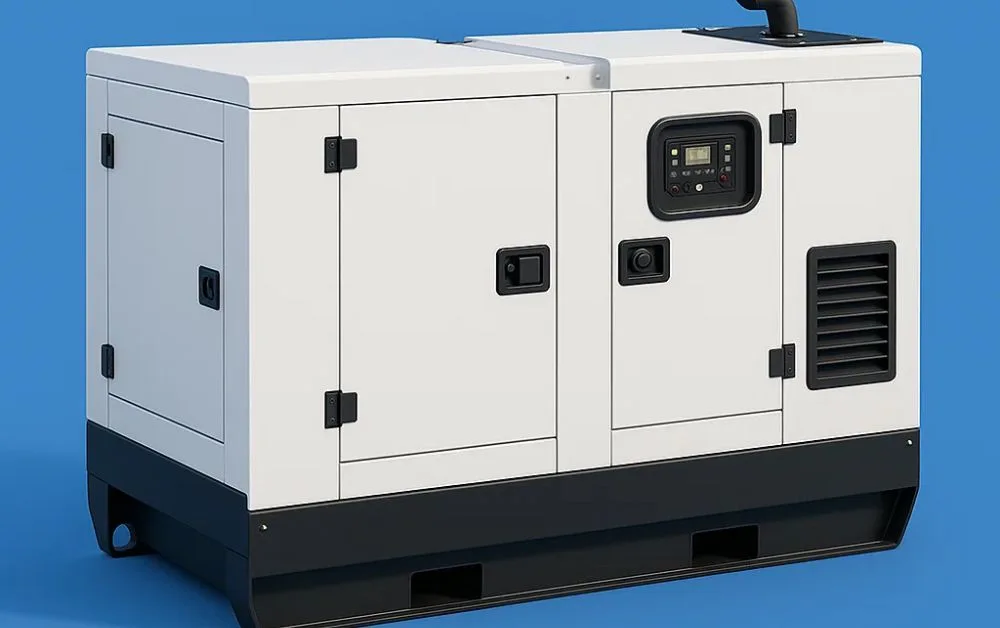
Running diesel generators produce a notable level of noise, which can be a practical challenge for businesses located in residential areas or environments where noise levels are regulated. This issue is manageable through the use of acoustic enclosures and thoughtful placement of the generator on the property, but it is an important consideration during the planning and installation phase.
3. Regular Maintenance Requirements
Diesel generators require disciplined, regular maintenance to perform at their best. This includes oil changes, filter replacements, coolant checks, battery maintenance, and periodic professional servicing. Neglecting these requirements shortens the lifespan of the engine and increases the likelihood of unexpected breakdowns, often at the worst possible moment. The key is to establish a structured maintenance schedule and stick to it consistently.
4. Exhaust Emissions
Diesel engines produce exhaust emissions that must be properly managed. Adequate ventilation for the generator installation area is essential, and in some regulatory environments, emission control systems may be required. As environmental regulations continue to evolve globally, businesses should stay informed about any local requirements that apply to their generator installations.
Making the Right Decision for Your Business
The decision to invest in a commercial diesel generator should be based on a clear assessment of your business’s power requirements, operational hours, available budget, and location. For most businesses in Uganda that need reliable backup or prime power, diesel remains the most practical and cost-effective choice available today.
Conclusion
Commercial diesel generators offer a compelling combination of reliability, fuel efficiency, long lifespan, and fuel accessibility that continues to make them the preferred backup power solution for businesses across Uganda. While the initial cost and maintenance requirements deserve careful consideration, the long-term benefits far outweigh these challenges for most commercial operations. As a trusted provider of diesel generators in Uganda, Blackwood Hodge Power Services Ltd supplies FG Wilson generator sets with full installation, commissioning, and after-sales support tailored to the needs of each client.