
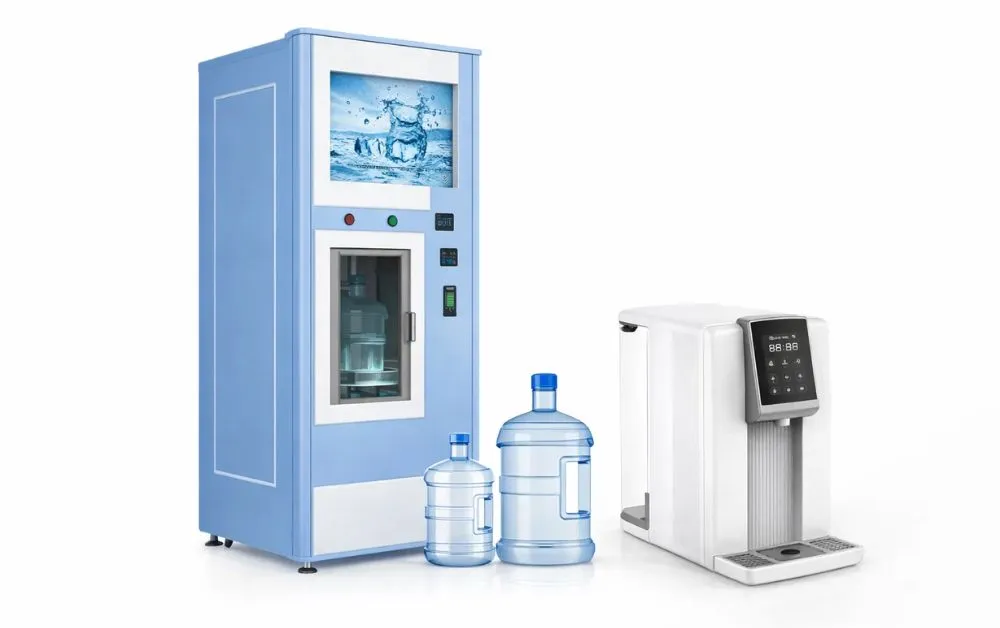
Water Quality Challenges in Uganda
Uganda’s water supply challenges arise from multiple sources. Groundwater from boreholes and wells may contain elevated levels of fluoride, nitrates, iron, manganese, or other naturally occurring minerals requiring treatment to achieve safe drinking water standards. Surface water from rivers, lakes, and reservoirs carries turbidity, organic matter, and microbial contamination requiring comprehensive treatment. And even treated municipal water may face quality challenges from aging distribution infrastructure, power supply interruptions affecting treatment plant operation, and contamination during storage at the point of use. Professional purification systems address these challenges at the point of consumption.
Reverse Osmosis Technology for Drinking Water
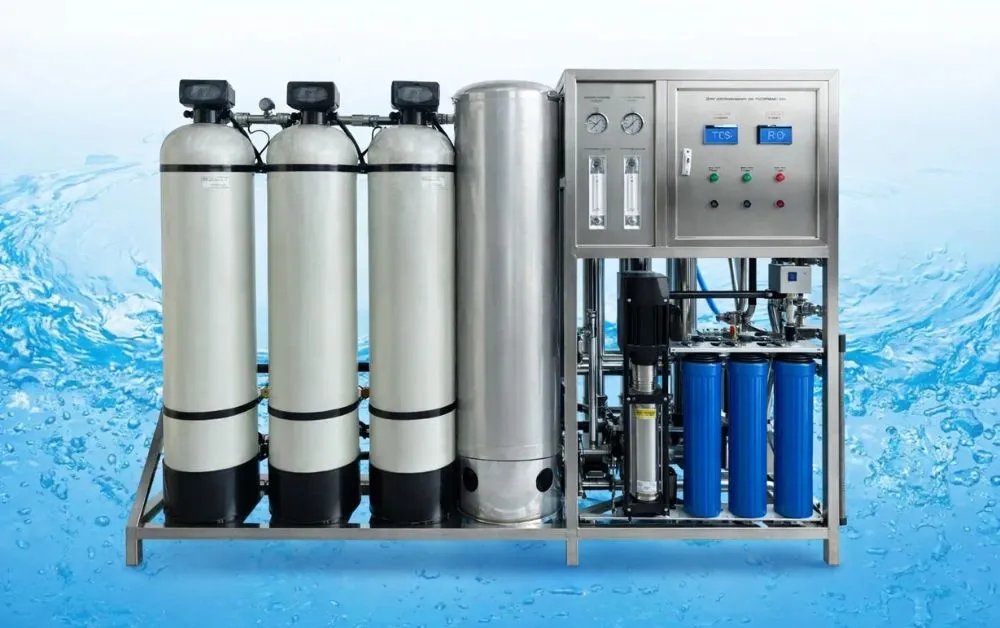
Reverse osmosis is one of the most effective water purification technologies for producing high-quality drinking water from challenging source water. An RO system forces water under pressure through semi-permeable membranes that block virtually all dissolved solids, heavy metals, biological contaminants, and chemical pollutants — producing purified water with very low total dissolved solids content. Pre-filtration stages remove suspended particles that would block the membranes, and post-filtration with activated carbon removes any remaining taste or odor compounds. For locations where source water quality is particularly poor or variable, reverse osmosis provides the most comprehensive purification available, making it the technology of choice for hospitals, laboratories, food production, and hospitality establishments.
Commercial Water Purifiers for Institutions
Schools, hospitals, hotels, office buildings, and manufacturing facilities in Uganda require water purification systems capable of meeting the volume demands of multiple users while maintaining consistent quality. Commercial water purification systems are designed for higher flow rates than household units, with larger membrane areas, bigger pre-filtration stages, and storage capacity appropriate for institutional consumption volumes. Capacity planning for commercial installations must account for peak demand periods — school meal preparation, hospital peak water use, and hotel check-in times — to ensure that purified water is always available when needed. Blackwood hodge Uganda sizes and configures commercial purifier systems for the specific consumption profile of each institutional client.
Suggested Read-How Commercial Water Purification Systems Help Industries Reduce Operational Costs
Community Water Purification Projects
For rural communities and smaller urban areas that lack access to piped municipal water supply, community water purification systems provide a centrally located, shared facility where residents can access safe drinking water. These systems must be designed for reliability in environments where technical maintenance support may be limited, power supply may be intermittent, and the community’s water needs are not uniform throughout the day. Blackwood hodge Uganda designs community water projects with these practical realities in mind, selecting robust technology and providing operator training that empowers local communities to maintain their water systems effectively over the long term.
Installation, Commissioning and Maintenance
The long-term effectiveness of drinking water purification systems depends not just on the quality of the equipment but on the quality of the installation, commissioning, and ongoing maintenance. Poor installation — including incorrect pipe sizing, inadequate pre-filtration, or improper membrane configuration — compromises system performance from day one. Regular membrane cleaning and replacement, pre-filter cartridge changes, UV lamp replacement, and water quality testing ensure that the system continues to produce safe water throughout its operational life. Blackwood hodge Uganda provides complete installation and commissioning services and offers ongoing maintenance contracts that keep client water purification systems performing reliably.
Installing a water purification system is only the first step — verifying that the system consistently produces water of the required quality requires systematic water testing and monitoring throughout the system’s operational life. Regular microbiological testing confirms that biological contamination is effectively removed. Physicochemical testing verifies that dissolved mineral levels, pH, and other chemical parameters remain within the acceptable range. Blackwood hodge Uganda advises clients on appropriate testing frequency and can arrange water quality testing services for all purification systems they supply.
Quality Testing and Monitoring for Purified Water
Additionally, Blackwood hodge Uganda provides technical documentation packages with all water purification installations — including system manuals, maintenance schedules, spare parts lists, and water quality testing protocols — that equip operators with the knowledge to manage their systems effectively. This documentation support ensures that systems continue to perform correctly regardless of staff turnover in client organizations.
Conclusion
Safe drinking water is a fundamental right, and drinking water purifier machines in Uganda make this right achievable for institutions, communities, and businesses across the country. From point-of-use commercial water purifiers Uganda for schools and hospitals to large-scale RO water purifier Uganda systems for industrial and community applications, Blackwood hodge Uganda provides the technology, expertise, and support needed for reliable long-term access to clean water. Contact Blackwood Hodge Power Services Ltd today to discuss your water purification requirements.