
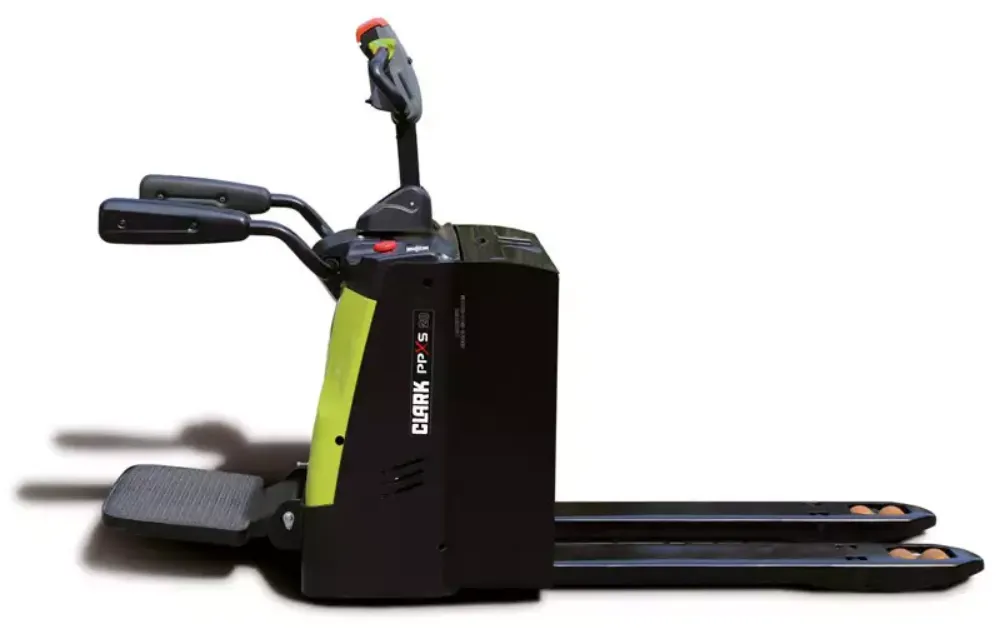
Why Ugandan Warehouses Are Switching to Lithium-Ion
Traditional lead-acid battery pallet trucks require lengthy charging times, dedicated battery-swap procedures, and regular maintenance such as watering and equalization charging. Lithium-ion technology removes most of these burdens. Operators can opportunity-charge equipment during short breaks rather than waiting hours for a full charge, which keeps trucks available for longer stretches of the working day. For busy Ugandan operations running multiple shifts, this translates directly into better equipment utilization and fewer bottlenecks on the warehouse floor.
How Lithium-Ion Pallet Trucks Work
Lithium-ion battery packs use cell chemistry that delivers consistent power output throughout the discharge cycle, unlike lead-acid batteries that lose performance as they drain. Built-in battery management systems monitor cell temperature, charge level, and health, protecting the battery from damage and extending its usable life. Because the batteries are sealed and maintenance-free, there is no need for the watering, cleaning, and ventilation requirements that lead-acid batteries demand.
Cost and Efficiency Benefits
While Lithium-Ion Pallet Trucks typically carry a higher upfront cost than lead-acid alternatives, the total cost of ownership is often lower over the equipment’s working life. Benefits include:
- Lower energy consumption due to higher charging efficiency
- No need for a dedicated battery charging room or spare battery inventory
- Reduced maintenance costs with no watering or equalizing charges required
- Longer overall battery lifespan compared to lead-acid equivalents
- Consistent lifting performance throughout each shift
Choosing the Right Pallet Truck for Your Operation
Selecting the right lithium-ion pallet truck depends on load capacity, aisle width, floor conditions, and daily usage patterns. Facilities running multiple shifts with limited downtime benefit most from the fast opportunity-charging that lithium-ion technology allows. Blackwood hodge Uganda’s technical team helps clients match truck specifications to their actual operating requirements, ensuring the right balance of capacity, manoeuvrability, and battery capability.
Read more-Why Lithium-Ion Pallet Trucks Are the Future of Material Handling in Uganda
Maintenance and Support
Although lithium-ion pallet trucks require less routine maintenance than lead-acid equipment, they still benefit from scheduled inspections of mechanical components, wheels, and forks. Blackwood hodge Uganda provides maintenance support and genuine spare parts for all the pallet truck ranges it supplies, helping keep equipment running reliably throughout its service life.
Battery Life and Charging Habits
One of the most common questions from warehouse managers considering the switch is how long a lithium-ion battery will actually last in daily use. With proper charging habits, lithium-ion batteries in pallet trucks typically deliver a significantly longer working life than lead-acid batteries, partly because they do not suffer the same performance decline from partial charging. Operators can charge the truck whenever convenient, during a tea break or shift changeover, without the risk of damaging the battery through incomplete charge cycles. This flexibility also removes the need to plan work schedules around lengthy battery charging windows.
Making the Switch: What to Plan For
Moving from lead-acid to lithium-ion equipment is usually straightforward, but a few practical points are worth planning for. Existing charging infrastructure may need minor adjustment, since lithium-ion chargers differ from lead-acid units. Staff should also receive a short briefing on the differences in charging routine, even though daily operation of the truck itself remains largely the same. Blackwood hodge Uganda supports clients through this transition, from initial equipment selection through to delivery, commissioning, and operator familiarization.
Environmental and Workplace Benefits
Beyond cost savings, lithium-ion pallet trucks bring workplace benefits that are easy to overlook. They produce no acid fumes or off-gassing during charging, which improves air quality in enclosed charging areas. They are also lighter and require less space for battery storage and charging infrastructure than lead-acid alternatives, freeing up valuable warehouse floor space for other uses. For businesses working towards more sustainable operations, the reduced environmental footprint of lithium-ion technology is an added advantage worth considering.
Conclusion
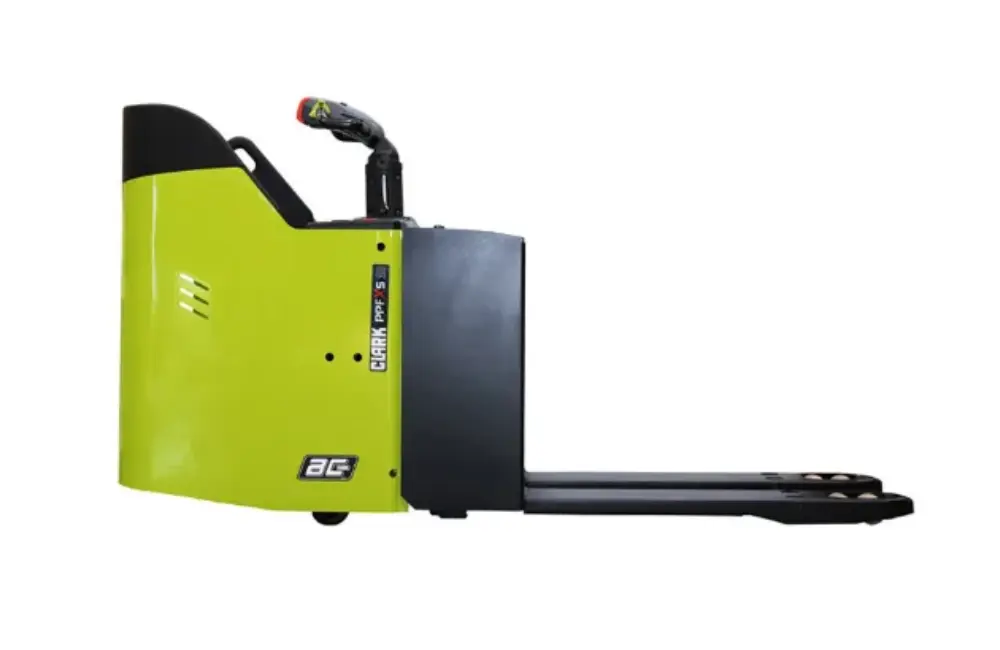
Lithium-Ion Pallet Trucks give Ugandan warehouses a practical way to improve uptime, reduce running costs, and simplify day-to-day operations compared to older battery technology. Whether you are upgrading an existing fleet or equipping a new facility, Blackwood hodge Uganda provides the equipment, technical guidance, and after-sales support to help you make the switch with confidence. Contact Blackwood Hodge Power Services Ltd today to discuss lithium-ion pallet truck options for your warehouse.